20 Low Glycemic Index Recipes for Better Blood Sugar Control
I’ll never forget the afternoon my aunt called me, her voice a mix of frustration and confusion. “My doctor told me to focus on low glycemic foods,” she said, “but what does that even mean? Is an apple okay? What about sweet potatoes? And why does everyone keep talking about glycemic index like I should know what it is?”
She had just been diagnosed with type 2 diabetes, and like so many, she was overwhelmed by the terminology. The glycemic index sounded like something from a science textbook, not a kitchen conversation.

That call sparked something in me. I realised that for countless people managing diabetes, finding low glycemic load recipes that are both delicious and easy to prepare feels like an impossible task. But it doesn’t have to be.
After weeks of research and countless kitchen experiments with my aunt, I’ve gathered 20 low glycemic index recipes that have transformed her daily meals. These aren’t bland diet dishes – they’re real food that happens to be good for you. My aunt tested every single one, and her blood sugar readings have never been more stable.
Whether you’re newly diagnosed, years into your journey, or simply supporting someone who is, these low glycemic index recipes will help you enjoy food while keeping your blood sugar steady. Let’s demystify the glycemic index together and discover just how delicious healthy eating can be.
Table of Contents
- What Is Glycemic Index and Why It Matters
- Low vs. High GI: Understanding the Numbers
- 20 Low Glycemic Index Recipes
- Quick Reference GI Table
- Tips for Building a Low-Glycemic Meal Plan
- Frequently Asked Questions
- Final Thoughts
What Is Glycemic Index and Why Does It Matter?
The glycemic index is a ranking system that measures how quickly carbohydrate-containing foods raise blood sugar levels. Foods are scored on a scale from 0 to 100:
- Low GI (55 or less): Digested slowly, causing a gradual rise in blood sugar
- Medium GI (56-69): Moderate impact on blood sugar
- High GI (70 or above): Digested quickly, causing rapid spikes and crashes
✨ Free Ebook: 5 Healthy Snack Recipes ✨
💌 Get more recipes by email! Subscribe to our newsletter for weekly diabetes-friendly recipes and tips. Subscribe →
For people with diabetes, understanding and choosing low-GI foods can be transformative. Here’s why:
| Benefit | How It Helps |
|---|---|
| Stable blood sugar | Slow digestion prevents sudden spikes and crashes |
| Reduced insulin resistance | Consistent glucose levels improve insulin sensitivity |
| Weight management | Low-GI foods keep you fuller longer, reducing overall calorie intake |
| Increased energy | No more mid-afternoon energy crashes |
| Lower risk of complications | Better blood sugar control reduces long-term health risks |
“The day my aunt started focusing on low-GI foods, she called me a week later and said, ‘I haven’t had a single afternoon crash. I actually have energy to cook dinner now!'” That moment confirmed what research has shown for years – the glycemic index is a powerful tool for diabetes management.
Low vs. High GI: Understanding the Numbers
To make informed choices, it helps to know where common foods fall on the GI scale:
| GI Category | Range | Examples |
|---|---|---|
| Low GI | 55 or less | Rolled oats, lentils, chickpeas, apples, berries, Greek yogurt, most vegetables |
| Medium GI | 56-69 | Quick oats, brown rice, whole wheat bread, sweet potatoes |
| High GI | 70 or above | White bread, corn flakes, instant rice, watermelon, baked potatoes |
“My aunt was shocked to learn that watermelon had a high GI,” I remember telling my husband. “But then we discovered that because it’s mostly water, the actual glycemic load is lower – which brings us to an important point.”
A Note on Glycemic Load
While GI is useful, it doesn’t tell the whole story. Glycemic load (GL) accounts for both the GI and the actual carbohydrate content of a serving. This gives a more accurate picture of how a food will affect your blood sugar.
For example:
- Watermelon has a high GI (72) but relatively few carbs per serving, giving it a low GL
- A small portion of a high-GI food may have less impact than a large portion of a medium-GI food
We’ll explore this more in future articles, but for now, focus on choosing low-GI foods and watching your portions.
20 Low Glycemic low glycemic load recipes Index
Breakfast Recipes
1. Overnight Oats with Berries and Almonds
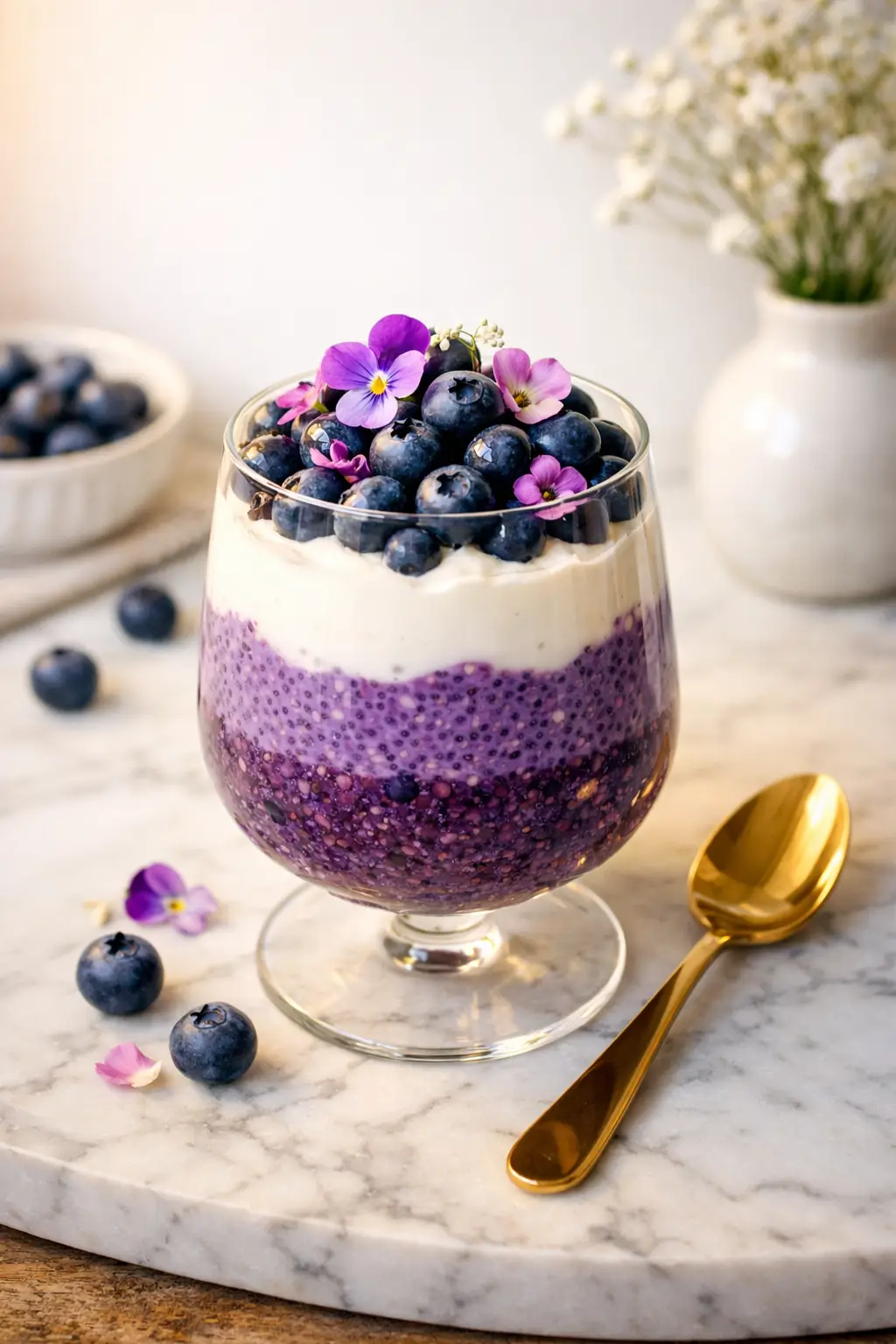
“This became my aunt’s go-to breakfast,” she told me. “I make five jars on Sunday and grab one each morning. No thinking, no stress.”
Why This Recipe Works for Diabetics
- Rolled oats have a lower GI than instant oats (GI: 55)
- Berries are low-GI and packed with antioxidants
- Almonds add protein and healthy fats to slow digestion
- Overnight preparation preserves the oats’ beneficial resistant starch
Key Ingredients
- ½ cup rolled oats (not quick oats)
- ¾ cup unsweetened almond milk
- ¼ cup plain Greek yogurt
- 1 tablespoon chia seeds
- ½ cup mixed fresh berries (blueberries, raspberries, strawberries)
- 1 tablespoon sliced almonds
Quick Method
- In a jar or bowl, combine oats, almond milk, yoghurt, and chia seeds.
- Stir well, cover, and refrigerate overnight (or at least 4 hours).
- In the morning, top with fresh berries and almonds.
- Enjoy cold or let it sit at room temperature for 10 minutes.
Pro Tip
Use frozen berries if fresh ones aren’t available – they’re just as nutritious and often more affordable.
Nutrition Facts (per serving)
| Calories | Protein | Fat | Carbs | Fiber |
|---|---|---|---|---|
| 280 | 12g | 10g | 35g | 8g |
2. Veggie and Feta Egg Muffins
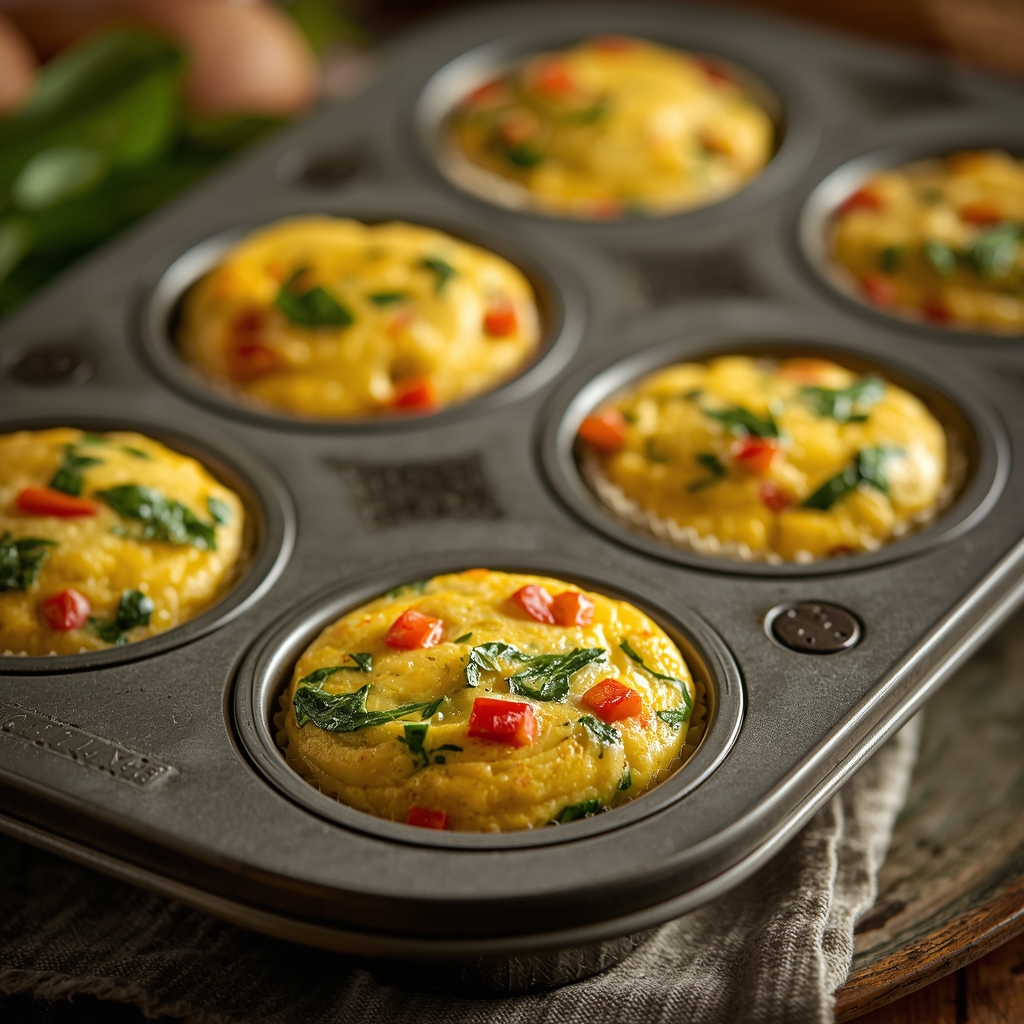
Why This Recipe Works for Diabetics
- Eggs have a GI of 0 – perfect for stable blood sugar
- Vegetables add fibre and nutrients without affecting glucose levels
- Protein keeps you full for hours
Key Ingredients
- 8 large eggs
- ¼ cup unsweetened almond milk
- 1 cup chopped spinach
- ½ cup diced bell peppers (any colour)
- ¼ cup diced red onion
- ¼ cup crumbled feta cheese
- Salt, pepper, and dried oregano to taste
Quick Method
- Preheat oven to 375°F (190°C). Grease a 12-cup muffin tin.
- Whisk eggs with almond milk and seasonings.
- Divide vegetables and feta evenly among muffin cups.
- Pour egg mixture over vegetables, filling each cup about ¾ full.
- Bake for 18-22 minutes until set and lightly golden.
- Let cool slightly before removing from the tin.
Pro Tip
Make a double batch and freeze half. Reheat in the microwave for 30 seconds for a quick breakfast.
Nutrition Facts (per 2 muffins)
| Calories | Protein | Fat | Carbs | Fiber |
|---|---|---|---|---|
| 180 | 14g | 12g | 4g | 1g |
3. Greek Yoghurt Parfait with Walnuts
Why This Recipe Works for Diabetics
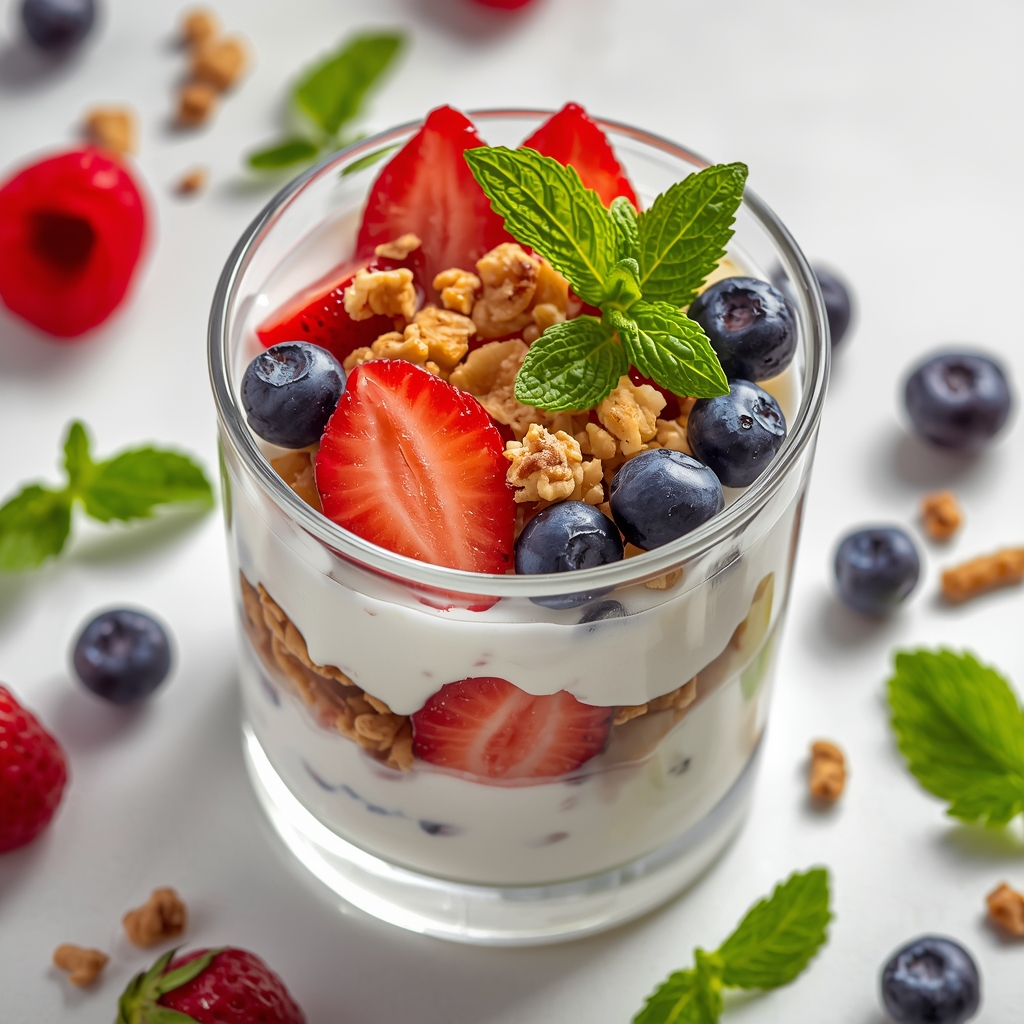
- Berries add natural sweetness without spiking blood sugar
- Walnuts provide healthy fats that slow digestion
Key Ingredients
- 1 cup plain Greek yoghurt (full-fat or 2%)
- ½ cup mixed fresh berries
- 2 tablespoons chopped walnuts
- Optional: 1 teaspoon chia seeds
Quick Method
- Layer half the yoghurt in a glass or bowl.
- Add half the berries.
- Repeat with the remaining yoghurt and berries.
- Top with walnuts and chia seeds if desired.
Pro Tip
Choose full-fat Greek yoghurt for better satiety and a creamier texture.
Nutrition Facts (per serving)
| Calories | Protein | Fat | Carbs | Fiber |
|---|---|---|---|---|
| 220 | 18g | 12g | 12g | 3g |
4. Quinoa Breakfast Bowl with Poached Egg
Why This Recipe Works for Diabetics
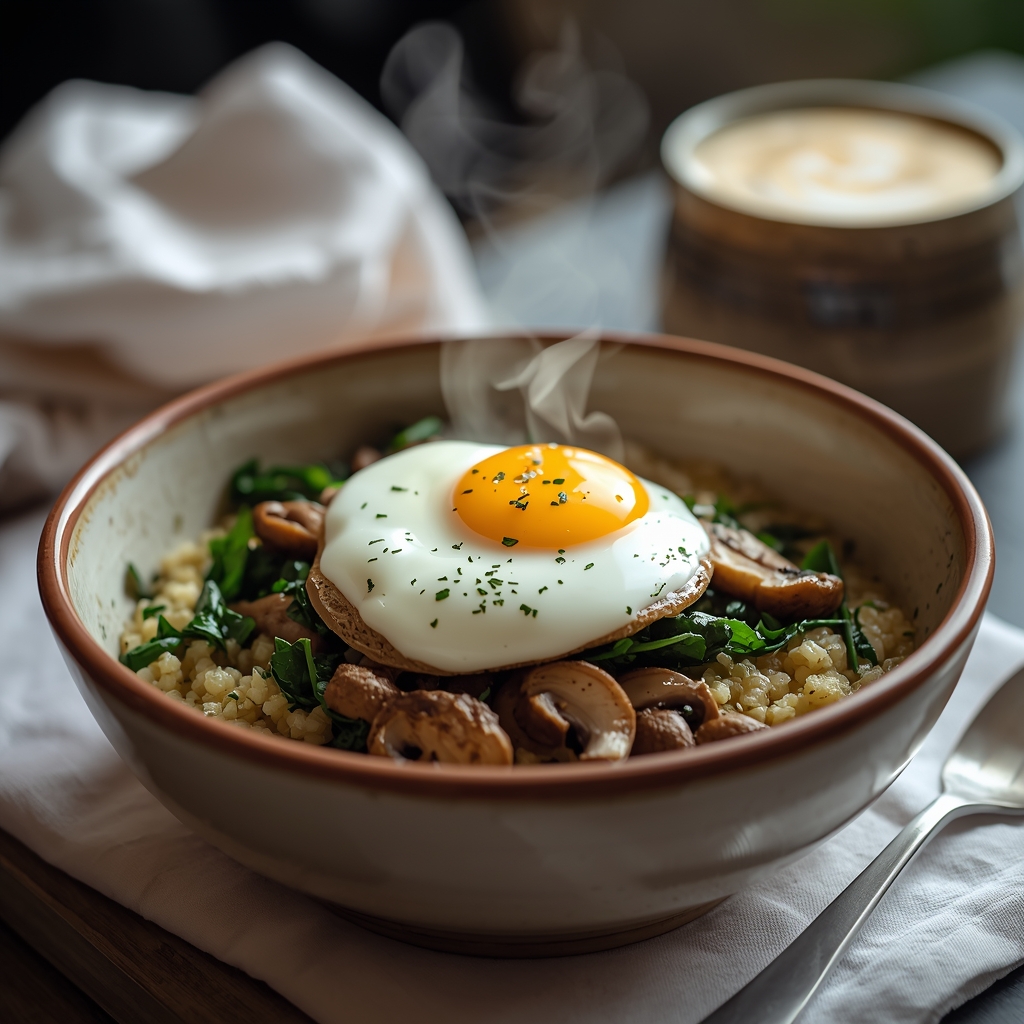
- Quinoa has a moderate GI (53) but is high in protein and fibre
- A poached egg adds protein without extra fat
- Sautéed vegetables provide nutrients and volume
Key Ingredients
- ½ cup cooked quinoa (cooled)
- 1 cup sautéed vegetables (spinach, mushrooms, bell peppers)
- 1 poached egg
- Salt, pepper, and red pepper flakes to taste
Quick Method
- Reheat quinoa if desired, or serve at room temperature.
- Top with sautéed vegetables.
- Place a poached egg on top.
- Season and serve immediately.
Pro Tip
Cook a big batch of quinoa on Sunday and portion it out for quick breakfast bowls all week.
Nutrition Facts (per serving)
| Calories | Protein | Fat | Carbs | Fiber |
|---|---|---|---|---|
| 240 | 12g | 8g | 30g | 5g |
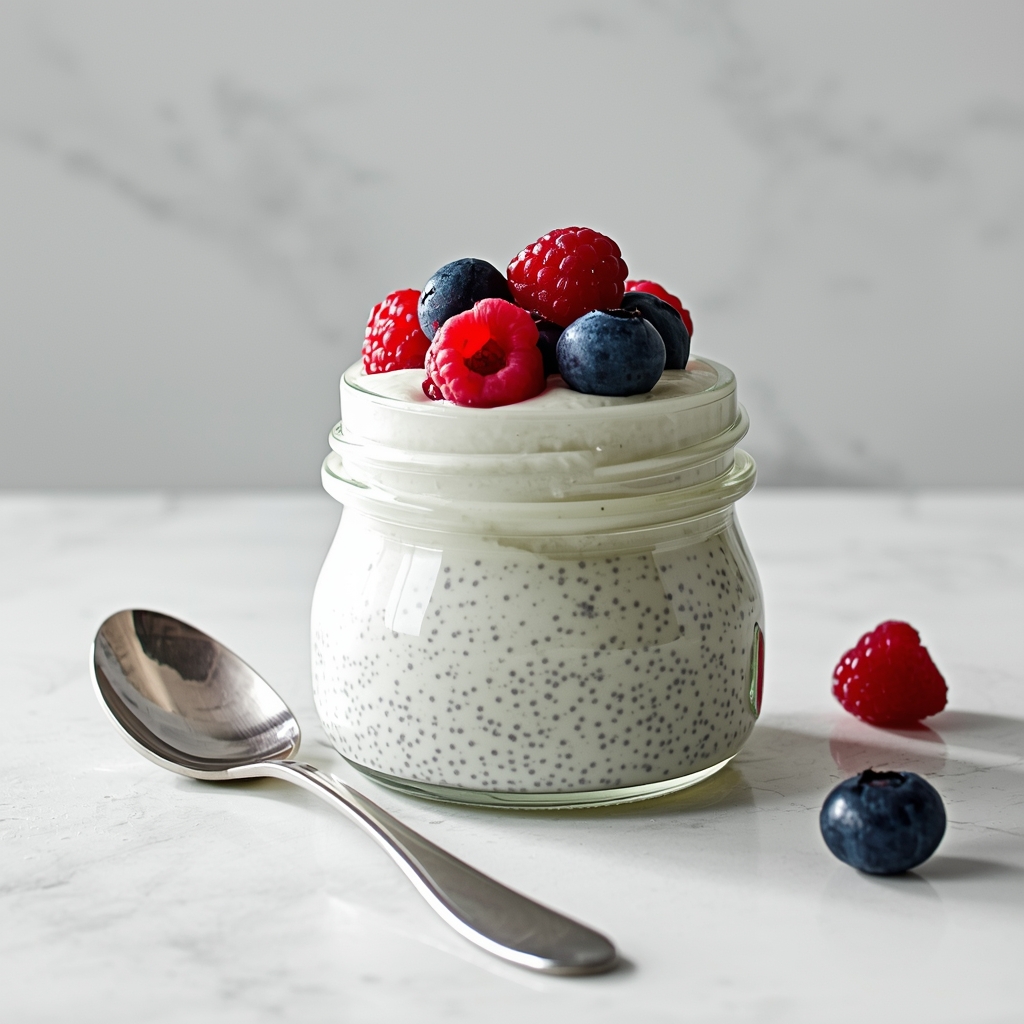
5. Chia Seed Pudding
“My aunt calls this her ‘dessert breakfast,'” I shared with a friend. “It’s so creamy and satisfying, she forgets it’s actually healthy.”
Why This Recipe Works for Diabetics
- Chia seeds are rich in fibre and omega-3s
- No added sugar – naturally sweetened with berries
- Protein from milk and chia keeps you full
Key Ingredients
- ¼ cup chia seeds
- 1 cup unsweetened almond milk
- 1 teaspoon vanilla extract
- Optional: 1 tablespoon powdered erythritol or stevia
- Fresh berries for topping
Quick Method
- In a jar or bowl, combine chia seeds, almond milk, vanilla, and sweetener (if using).
- Stir well, cover, and refrigerate overnight.
- In the morning, stir again and top with fresh berries.
Pro Tip
Add a tablespoon of cocoa powder for a chocolate version that feels extra indulgent.
Nutrition Facts (per serving, without sweetener)
| Calories | Protein | Fat | Carbs | Fiber |
|---|---|---|---|---|
| 180 | 6g | 11g | 14g | 10g |
6. Hearty Lentil and Vegetable Soup
Why This Recipe Works for Diabetics
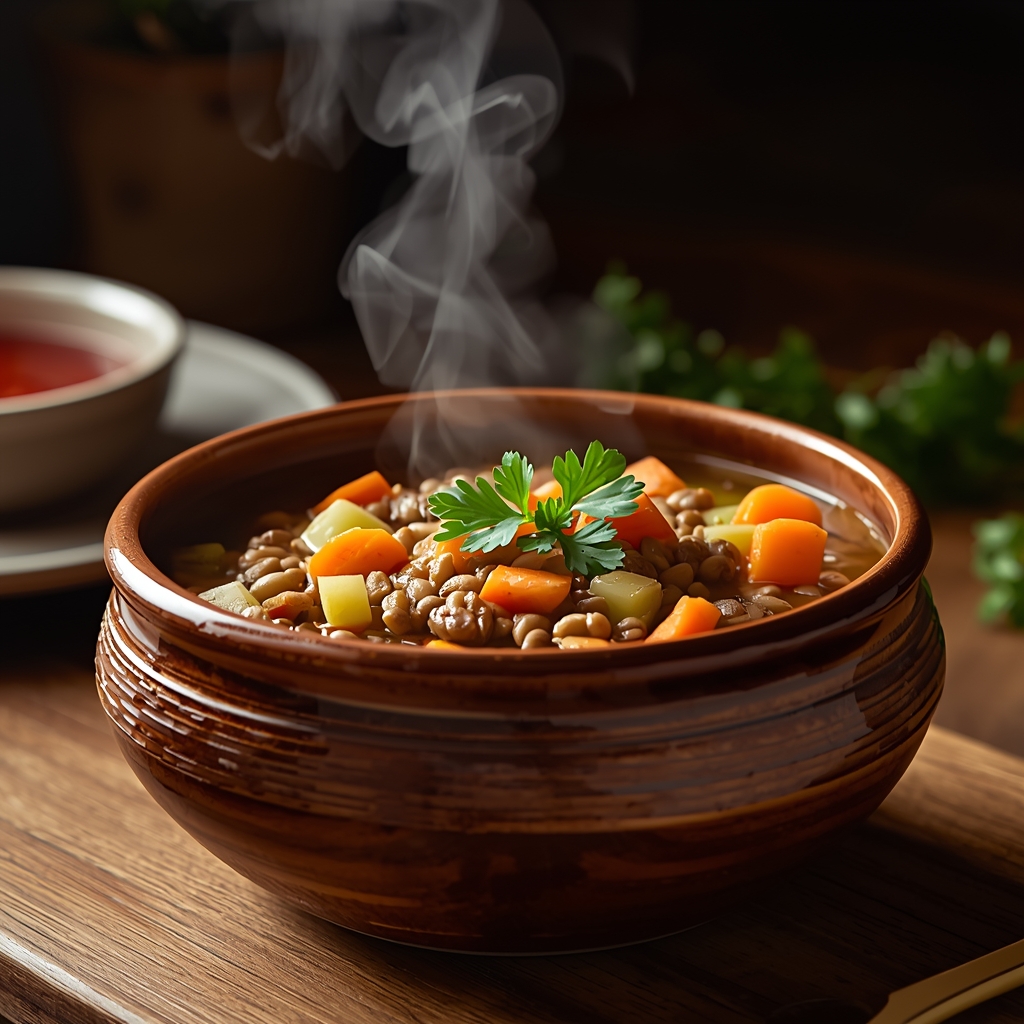
- Lentils have a low GI (32) and are packed with protein and fibre
- Vegetables add nutrients without spiking blood sugar
- Broth-based soup is hydrating and filling
Key Ingredients
- 1 tablespoon olive oil
- 1 onion, diced
- 2 carrots, diced
- 2 celery stalks, diced
- 3 cloves garlic, minced
- 1 cup dried brown or green lentils, rinsed
- 4 cups low-sodium vegetable broth
- 1 can (14 oz) diced tomatoes
- 1 teaspoon dried thyme
- 1 bay leaf
- Salt and pepper to taste
- 2 cups fresh spinach
Quick Method
- In a large pot, heat olive oil over medium heat. Add onion, carrots, and celery, cooking until softened (about 5 minutes).
- Add garlic and cook 1 minute more.
- Add lentils, broth, tomatoes, thyme, and bay leaf. Bring to a boil.
- Reduce heat, cover, and simmer for 30-35 minutes until lentils are tender.
- Stir in spinach and cook until wilted (about 2 minutes).
- Remove bay leaf, season with salt and pepper, and serve.
Pro Tip
This soup freezes beautifully. Make a double batch and portion it out for quick lunches.
Nutrition Facts (per serving)
| Calories | Protein | Fat | Carbs | Fiber |
|---|---|---|---|---|
| 210 | 12g | 4g | 34g | 12g |
7. Chickpea Salad Sandwich
Why This Recipe Works for Diabetics
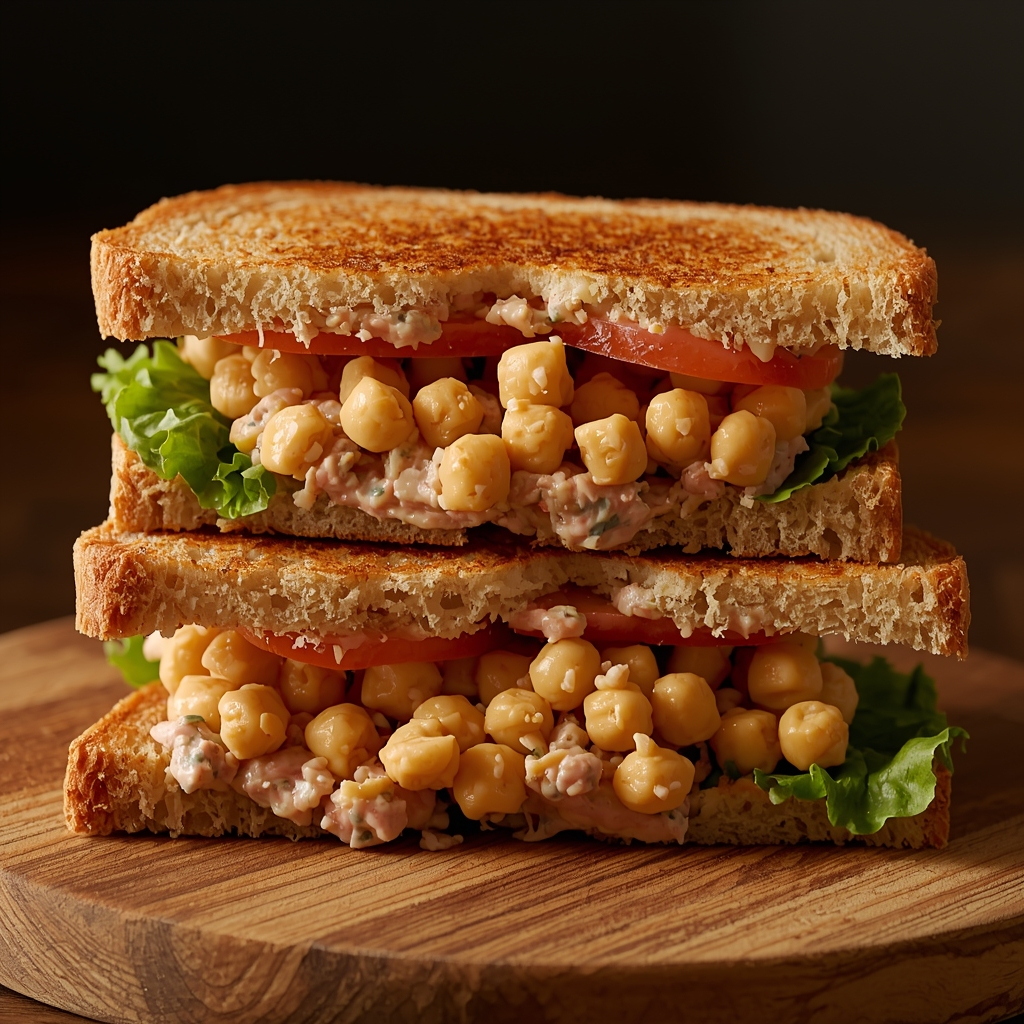
- Chickpeas have a low GI (28) and are rich in protein and fibre
- Greek yoghurt replaces mayo for extra protein
- Served on whole-grain bread for additional fibre
Key Ingredients
- 1 can (15 oz) chickpeas, rinsed and drained
- ¼ cup plain Greek yogurt
- 1 tablespoon Dijon mustard
- ¼ cup diced celery
- ¼ cup diced red onion
- 2 tablespoons chopped fresh parsley
- Salt and pepper to taste
- 8 slices whole-grain bread
- Lettuce and sliced tomato for serving
Quick Method
- In a bowl, mash chickpeas with a fork until mostly broken down but still chunky.
- Add Greek yoghurt, mustard, celery, onion, parsley, salt, and pepper. Mix well.
- Toast bread if desired.
- Assemble sandwiches with lettuce, tomato, and chickpea mixture.
Pro Tip
Make the chickpea salad ahead and store in the fridge for up to 4 days. Assemble sandwiches fresh.
Nutrition Facts (per sandwich)
| Calories | Protein | Fat | Carbs | Fiber |
|---|---|---|---|---|
| 280 | 12g | 6g | 45g | 8g |
8. Quinoa and Roasted Vegetable Bowl
Why This Recipe Works for Diabetics
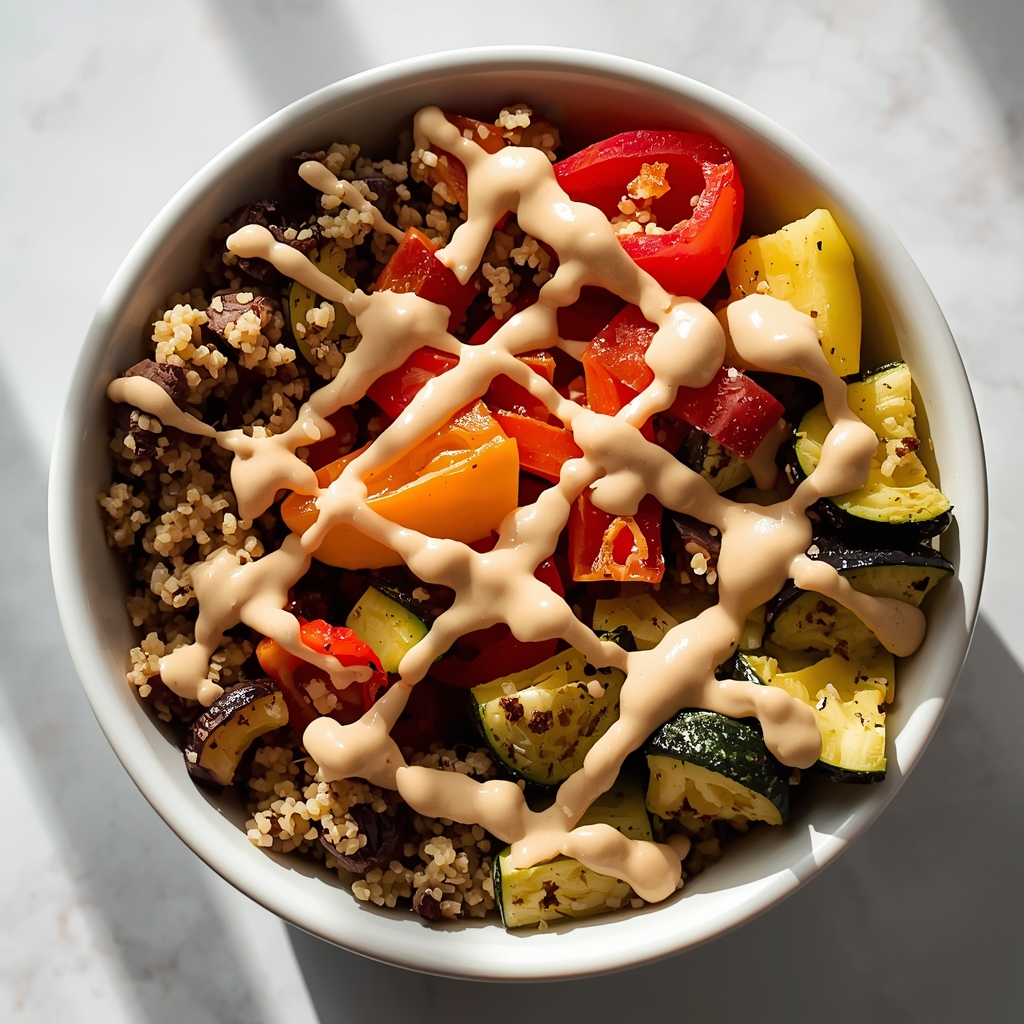
- Quinoa provides complete protein and fibre
- Roasted vegetables concentrate flavour without added sugar
- Lemon-tahini dressing adds healthy fats
Key Ingredients
- 1 cup cooked quinoa
- 2 cups roasted vegetables (zucchini, bell peppers, eggplant, red onion)
- 2 tablespoons tahini
- 2 tablespoons lemon juice
- 1 clove garlic, minced
- Water to thin
- Salt and pepper to taste
- Optional: grilled chicken or baked tofu for extra protein
Quick Method
- Arrange roasted vegetables over quinoa in a bowl.
- In a small bowl, whisk together tahini, lemon juice, garlic, and enough water to reach the desired consistency.
- Drizzle dressing over the bowl.
- Add protein if desired and serve.
Pro Tip
Roast a big batch of vegetables on Sunday to use in bowls throughout the week.
Nutrition Facts (per serving, without added protein)
| Calories | Protein | Fat | Carbs | Fiber |
|---|---|---|---|---|
| 260 | 8g | 10g | 35g | 7g |
9. Spinach and Strawberry Salad with Grilled Chicken
Why This Recipe Works for Diabetics
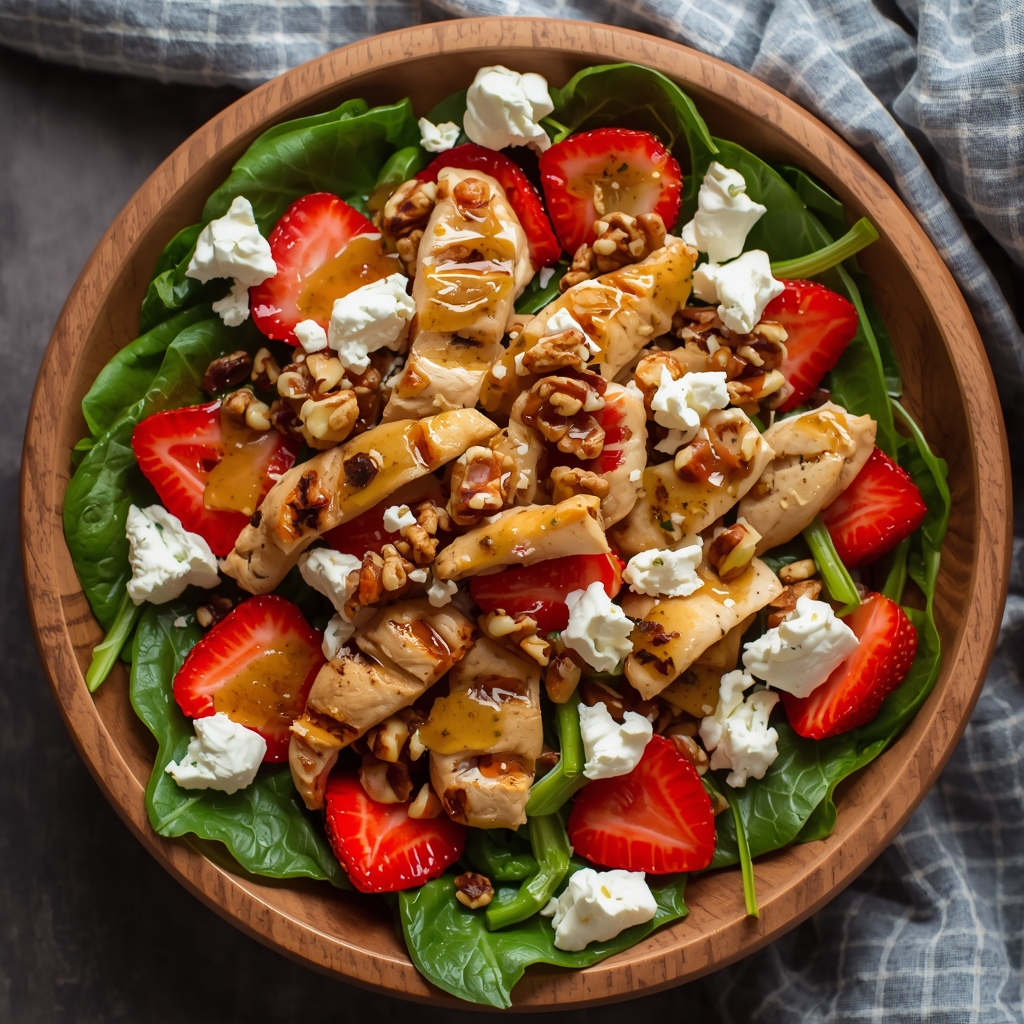
- Fresh spinach is nutrient-dense with minimal carbs
- Strawberries add sweetness with a low GI (40)
- Grilled chicken provides protein for satiety
- Balsamic vinaigrette adds flavour without sugar
Key Ingredients
- 4 cups fresh spinach
- 1 cup sliced strawberries
- 2 grilled chicken breasts, sliced
- ¼ cup crumbled feta cheese
- 2 tablespoons chopped walnuts
- 3 tablespoons olive oil
- 1 tablespoon balsamic vinegar
- 1 teaspoon Dijon mustard
- Salt and pepper to taste
Quick Method
- In a large bowl, combine spinach, strawberries, chicken, feta, and walnuts.
- In a small jar, combine olive oil, balsamic vinegar, mustard, salt, and pepper. Shake well.
- Drizzle dressing over salad and toss gently.
- Serve immediately.
Pro Tip
Grill extra chicken on Sunday to use in salads all week.
Nutrition Facts (per serving)
| Calories | Protein | Fat | Carbs | Fiber |
|---|---|---|---|---|
| 320 | 28g | 18g | 12g | 4g |
10. Turkey and Avocado Lettuce Wraps
Why This Recipe Works for Diabetics
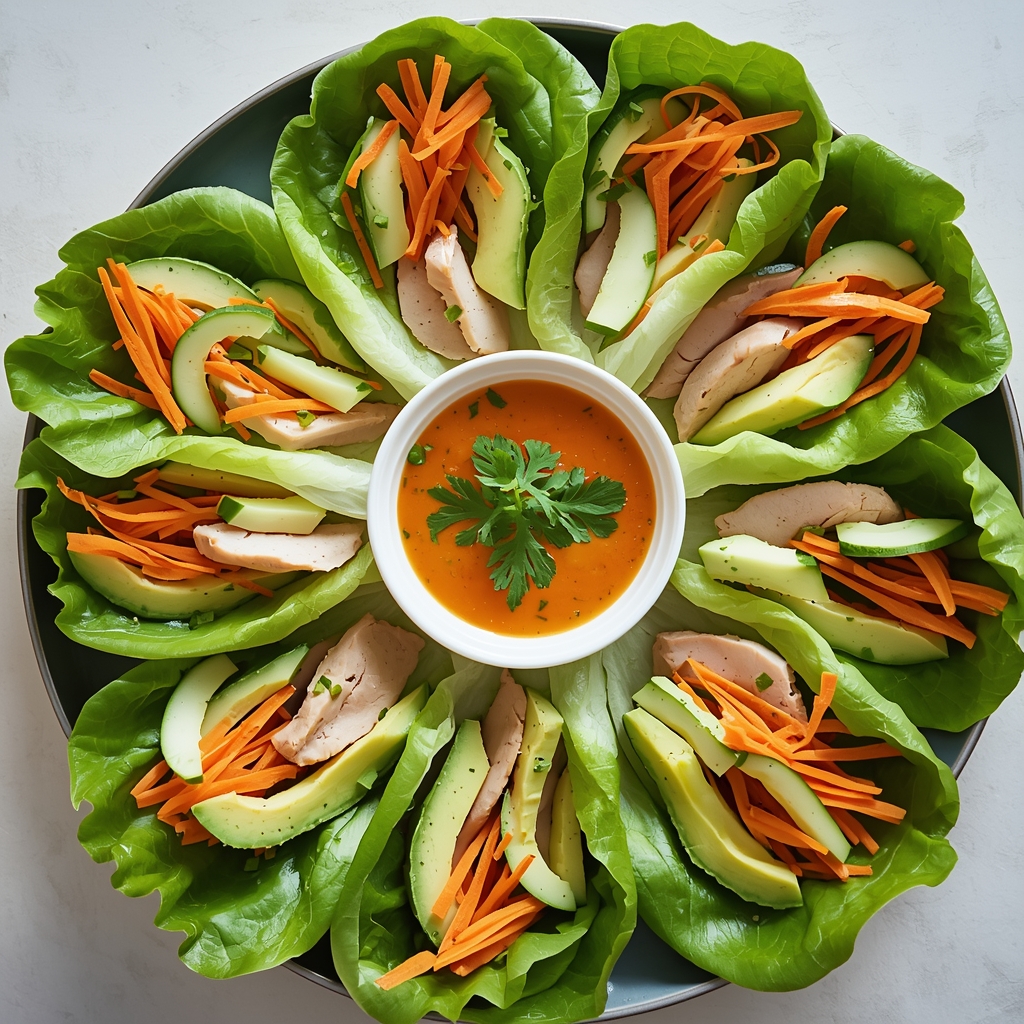
- Lettuce wraps eliminate high-GI bread
- Turkey provides lean protein
- Avocado adds healthy fats for satiety
Key Ingredients
- 8 large butter lettuce leaves
- 8 slices deli turkey breast
- 1 avocado, sliced
- 1 cucumber, julienned
- 1 carrot, julienned
- ¼ cup plain Greek yoghurt mixed with 1 tablespoon Dijon mustard
Quick Method
- Lay out lettuce leaves on a work surface.
- Layer each with turkey, avocado slices, cucumber, and carrot.
- Drizzle with yoghurt-mustard sauce.
- Roll or fold and serve immediately.
Pro Tip
Prep all vegetables ahead of time and store in separate containers for quick assembly.
Nutrition Facts (per 2 wraps)
| Calories | Protein | Fat | Carbs | Fiber |
|---|---|---|---|---|
| 240 | 22g | 14g | 10g | 5g |
Dinner Recipes
11. Baked Salmon with Roasted Asparagus
“This was the first recipe my aunt mastered,” I remembered. “She called me after making it and said, ‘I can’t believe something this simple can be this good – and my blood sugar was perfect afterwards!'”
Why This Recipe Works for Diabetics

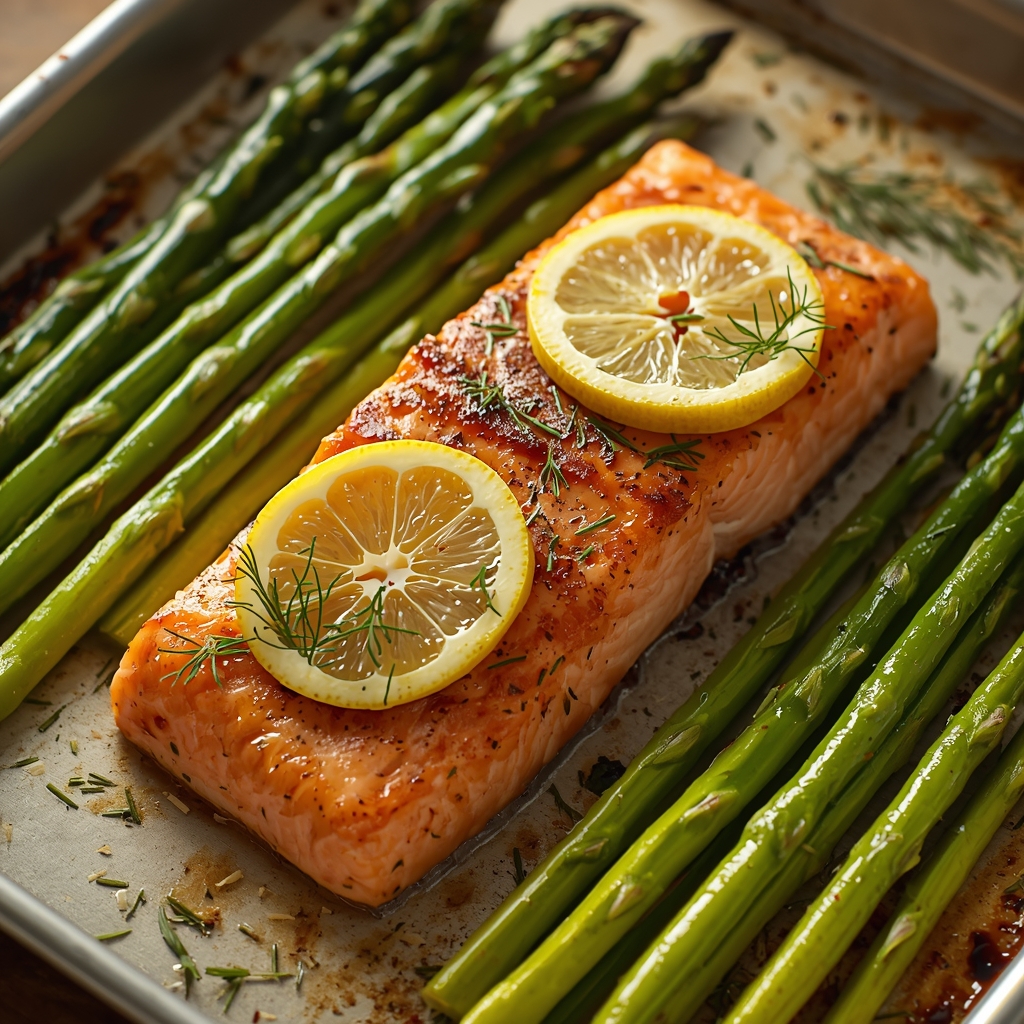
- Salmon has a GI of 0 and is rich in omega-3s
- Asparagus is low in carbs and high in fiber
- One-pan meal means minimal cleanup
Key Ingredients
- 4 salmon fillets (6 oz each)
- 1 lb fresh asparagus, trimmed
- 2 tablespoons olive oil
- 2 cloves garlic, minced
- 1 lemon, sliced
- Salt, pepper, and dried dill to taste
Quick Method
- Preheat oven to 400°F (200°C). Line a baking sheet with parchment.
- Arrange salmon and asparagus on the baking sheet.
- Drizzle with olive oil and sprinkle with garlic, salt, pepper, and dill.
- Place lemon slices on salmon.
- Bake for 12-15 minutes, until salmon flakes easily and asparagus is tender.
Pro Tip
Place asparagus on the baking sheet first, then salmon on top for even cooking.
Nutrition Facts (per serving)
| Calories | Protein | Fat | Carbs | Fiber |
|---|---|---|---|---|
| 320 | 34g | 18g | 8g | 3g |
12. Chicken and Vegetable Stir-Fry with Cauliflower Rice
Why This Recipe Works for Diabetics
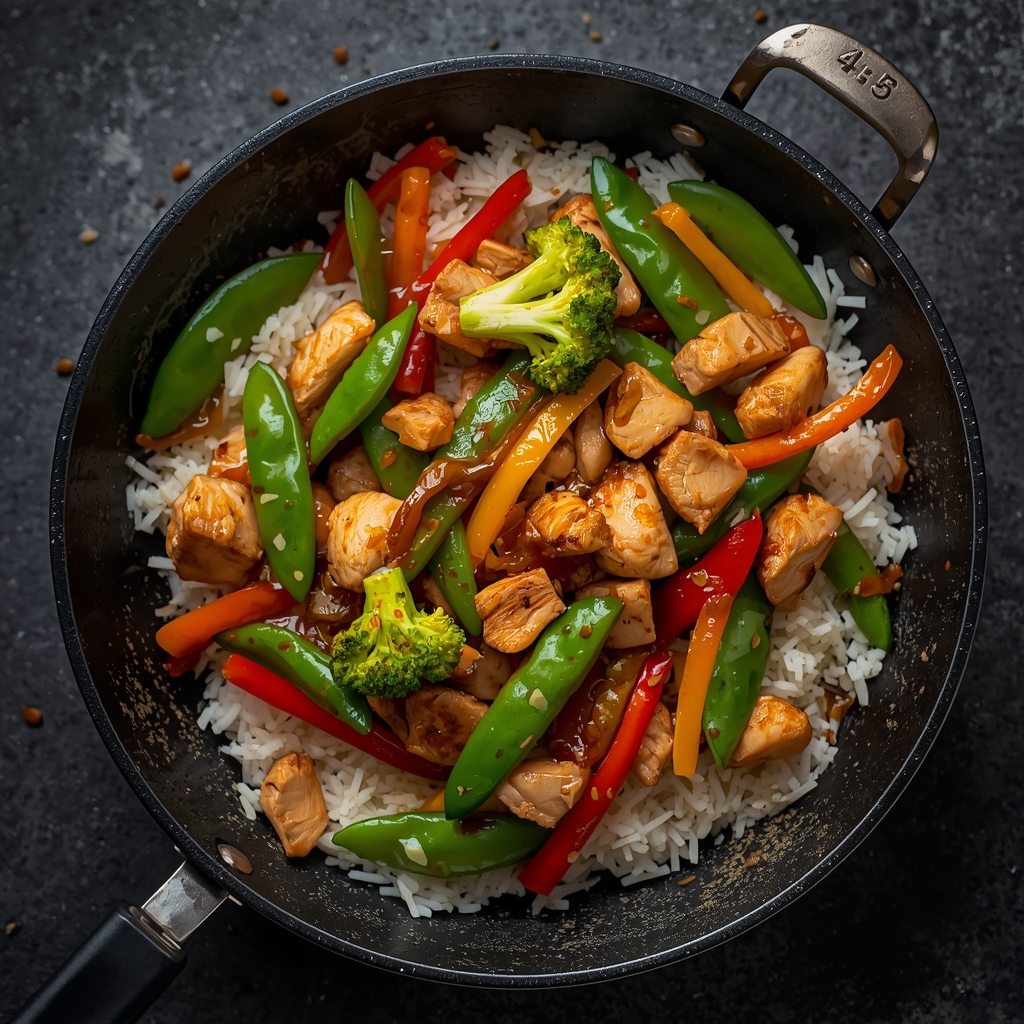
- Chicken breast is pure protein (GI: 0)
- Cauliflower rice replaces high-GI white rice
- Vegetables add fiber and nutrients
- Low-sodium soy sauce keeps sodium in check
Key Ingredients
- 1 lb chicken breast, sliced thin
- 1 head cauliflower, riced
- 2 cups mixed vegetables (broccoli, bell peppers, snap peas)
- 3 tablespoons low-sodium soy sauce or tamari
- 2 cloves garlic, minced
- 1 tablespoon grated ginger
- 2 tablespoons olive oil
- Sesame seeds for garnish
Quick Method
- Heat 1 tablespoon oil in a large skillet or wok over high heat.
- Add chicken and cook until browned and cooked through (5-6 minutes). Remove and set aside.
- Add remaining oil, then vegetables. Stir-fry for 3-4 minutes until crisp-tender.
- Add garlic and ginger, cook 30 seconds.
- Add cauliflower rice and soy sauce, cook 2-3 minutes.
- Return chicken to skillet, toss to combine, and heat through.
- Garnish with sesame seeds and serve.
Pro Tip
Buy pre-riced cauliflower to save time, or rice your own in a food processor.
Nutrition Facts (per serving)
| Calories | Protein | Fat | Carbs | Fiber |
|---|---|---|---|---|
| 280 | 30g | 12g | 14g | 5g |
13. Turkey and Zucchini Skillet
Why This Recipe Works for Diabetics
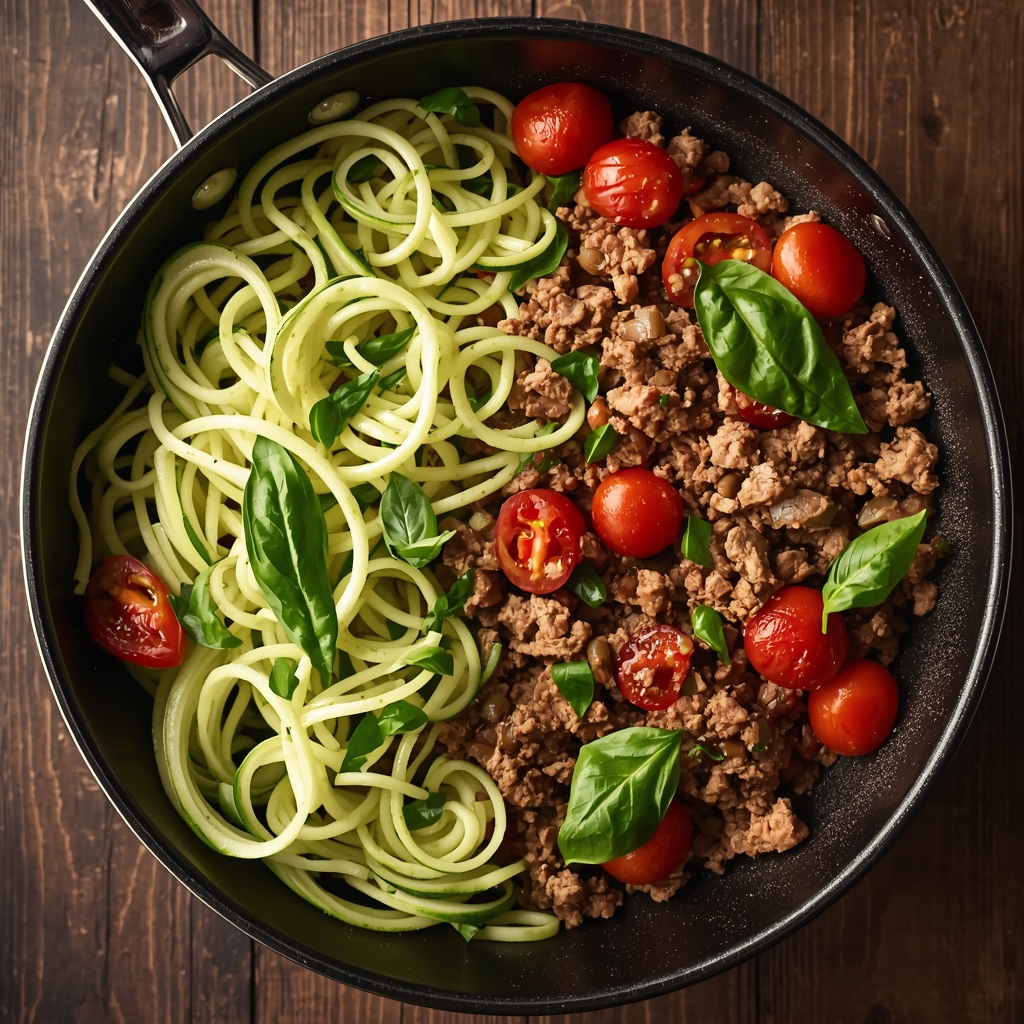
- Ground turkey is lean protein
- Zucchini noodles replace pasta
- Tomatoes add flavor without sugar
- One-pan meal ready in 20 minutes
Key Ingredients
- 1 lb ground turkey
- 4 medium zucchini, spiralized
- 2 cups cherry tomatoes, halved
- 3 cloves garlic, minced
- 2 tablespoons olive oil
- 1 teaspoon dried oregano
- Salt, pepper, and red pepper flakes to taste
- Fresh basil for garnish
Quick Method
- Heat olive oil in a large skillet over medium-high heat.
- Add ground turkey and cook until browned (6-8 minutes).
- Add garlic and cook 1 minute more.
- Add tomatoes and oregano, cook until tomatoes begin to soften (2-3 minutes).
- Add zucchini noodles and cook 2-3 minutes until just tender.
- Season with salt, pepper, and red pepper flakes.
- Garnish with fresh basil and serve.
Pro Tip
Don’t overcook the zucchini noodles – they should be tender but still have a slight crunch.
Nutrition Facts (per serving)
| Calories | Protein | Fat | Carbs | Fiber |
|---|---|---|---|---|
| 260 | 28g | 14g | 10g | 4g |
14. Beef and Broccoli with Shirataki Noodles
Why This Recipe Works for Diabetics
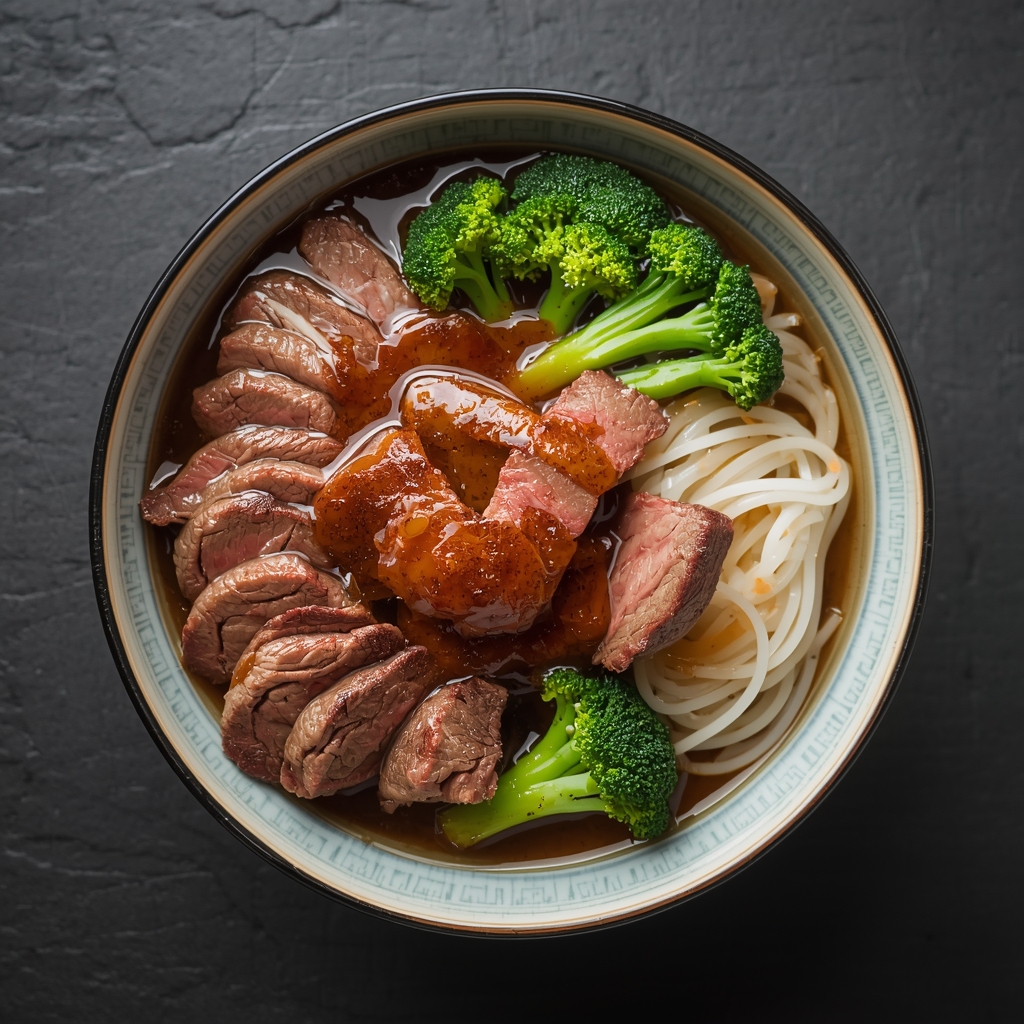
- Beef provides protein and iron
- Broccoli adds fiber and nutrients
- Shirataki noodles have virtually no carbs
- Low-carb, satisfying meal
Key Ingredients
- 1 lb beef sirloin, thinly sliced
- 4 cups broccoli florets
- 2 packages shirataki noodles, rinsed and drained
- 3 tablespoons low-sodium soy sauce
- 2 cloves garlic, minced
- 1 tablespoon grated ginger
- 2 tablespoons olive oil
- 1 teaspoon sesame oil
- Sesame seeds for garnish
Quick Method
- Boil shirataki noodles for 2-3 minutes, then drain and pat dry.
- Heat 1 tablespoon olive oil in a large skillet over high heat.
- Add beef and cook until browned (2-3 minutes). Remove and set aside.
- Add remaining olive oil, then broccoli. Stir-fry for 3-4 minutes.
- Add garlic and ginger, cook 30 seconds.
- Return beef to skillet, add noodles, soy sauce, and sesame oil. Toss to combine.
- Cook 1-2 minutes until heated through.
- Garnish with sesame seeds and serve.
Pro Tip
Freeze beef for 15-20 minutes before slicing – it will be much easier to cut thin slices.
Nutrition Facts (per serving)
| Calories | Protein | Fat | Carbs | Fiber |
|---|---|---|---|---|
| 290 | 28g | 16g | 10g | 4g |
15. Stuffed Bell Peppers
Why This Recipe Works for Diabetics
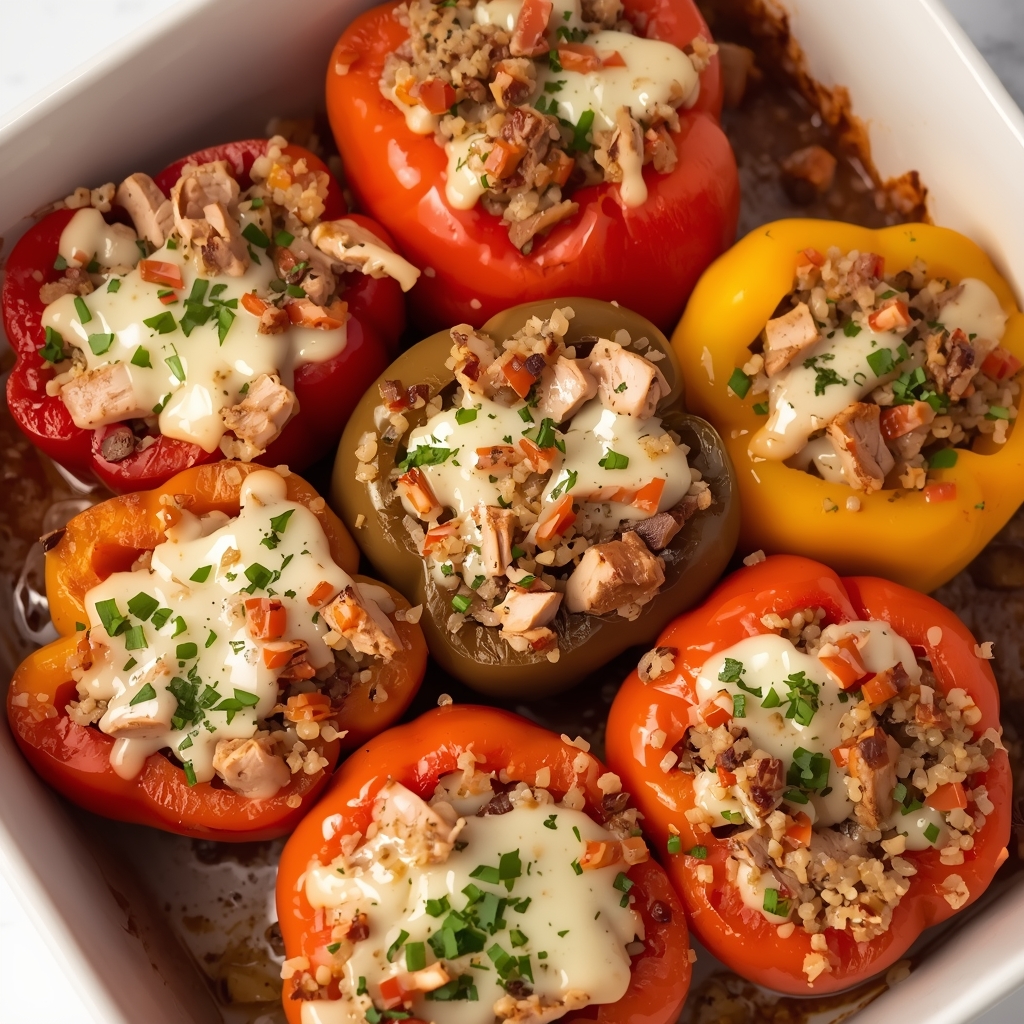
- Bell peppers are low in carbs and high in vitamin C
- Quinoa provides complete protein and fiber
- Ground turkey keeps it lean
- Tomato sauce adds flavor without sugar
Key Ingredients
- 4 large bell peppers, tops cut off and seeds removed
- 1 lb ground turkey
- 1 cup cooked quinoa
- 1 cup diced tomatoes
- ½ cup diced onion
- 2 cloves garlic, minced
- 1 teaspoon dried oregano
- ½ cup shredded cheese (optional)
- Salt and pepper to taste
Quick Method
- Preheat oven to 375°F (190°C).
- In a skillet, cook ground turkey with onion and garlic until turkey is browned (6-8 minutes).
- Stir in cooked quinoa, diced tomatoes, oregano, salt, and pepper.
- Stuff mixture into bell peppers.
- Place peppers in a baking dish with ½ cup water in the bottom.
- Cover with foil and bake for 30 minutes.
- Remove foil, top with cheese if using, and bake 10 more minutes.
Pro Tip
Make extra filling and freeze it for quick stuffed peppers another time.
Nutrition Facts (per pepper, without cheese)
| Calories | Protein | Fat | Carbs | Fiber |
|---|---|---|---|---|
| 240 | 20g | 8g | 24g | 6g |
Snacks and Desserts
16. Apple Slices with Peanut Butter
“My aunt’s favorite afternoon snack,” I told a friend. “She says it feels like a treat, but her blood sugar stays perfectly stable.”
Why This Recipe Works for Diabetics
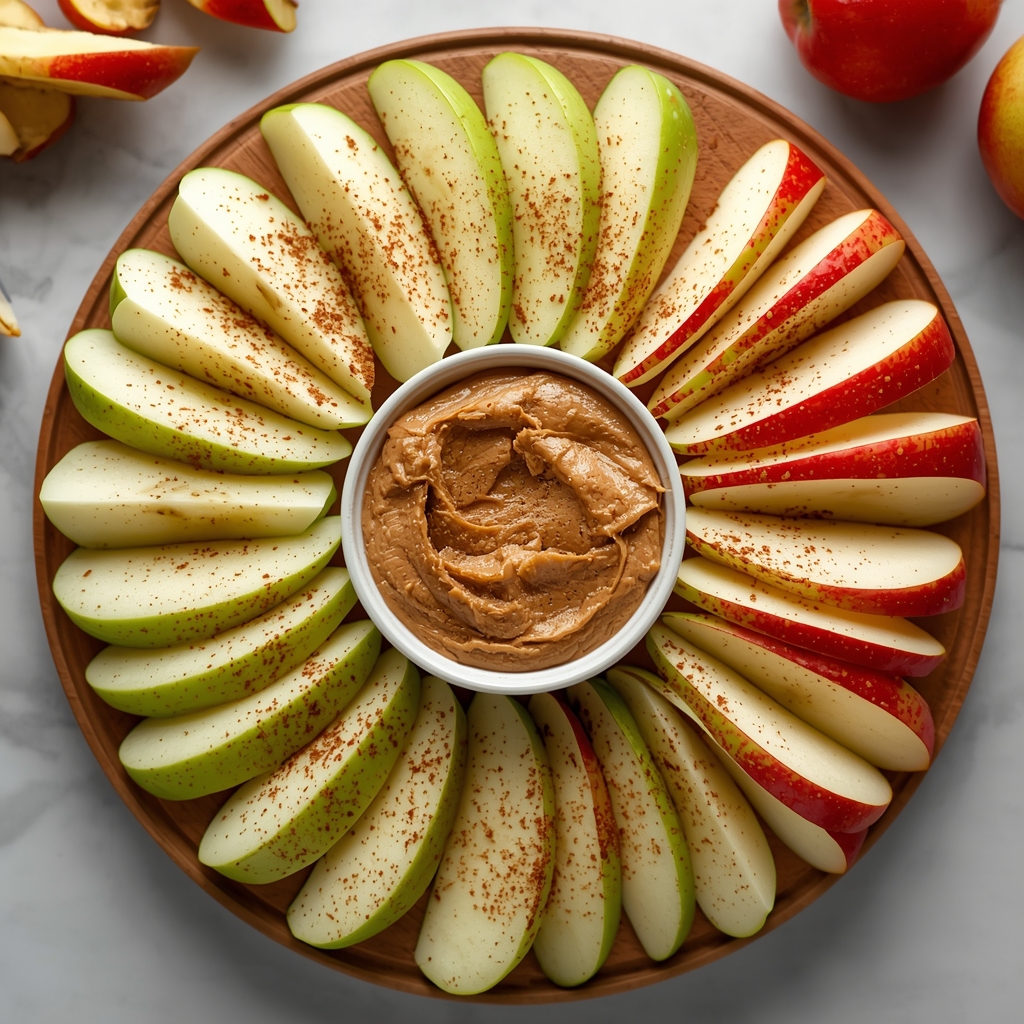
- Apples have a low GI (38), especially when eaten with skin
- Peanut butter adds protein and healthy fats
- The combination slows digestion even further
Key Ingredients
- 1 medium apple, cored and sliced
- 1 tablespoon natural peanut butter (no added sugar)
- Optional: sprinkle of cinnamon
Quick Method
- Slice apple into wedges.
- Serve with peanut butter for dipping.
- Sprinkle with cinnamon if desired.
Pro Tip
Choose crisp apple varieties like Honeycrisp or Fuji for the best texture.
Nutrition Facts (per serving)
| Calories | Protein | Fat | Carbs | Fiber |
|---|---|---|---|---|
| 150 | 4g | 8g | 18g | 4g |
17. Hummus with Veggie Sticks
Why This Recipe Works for Diabetics
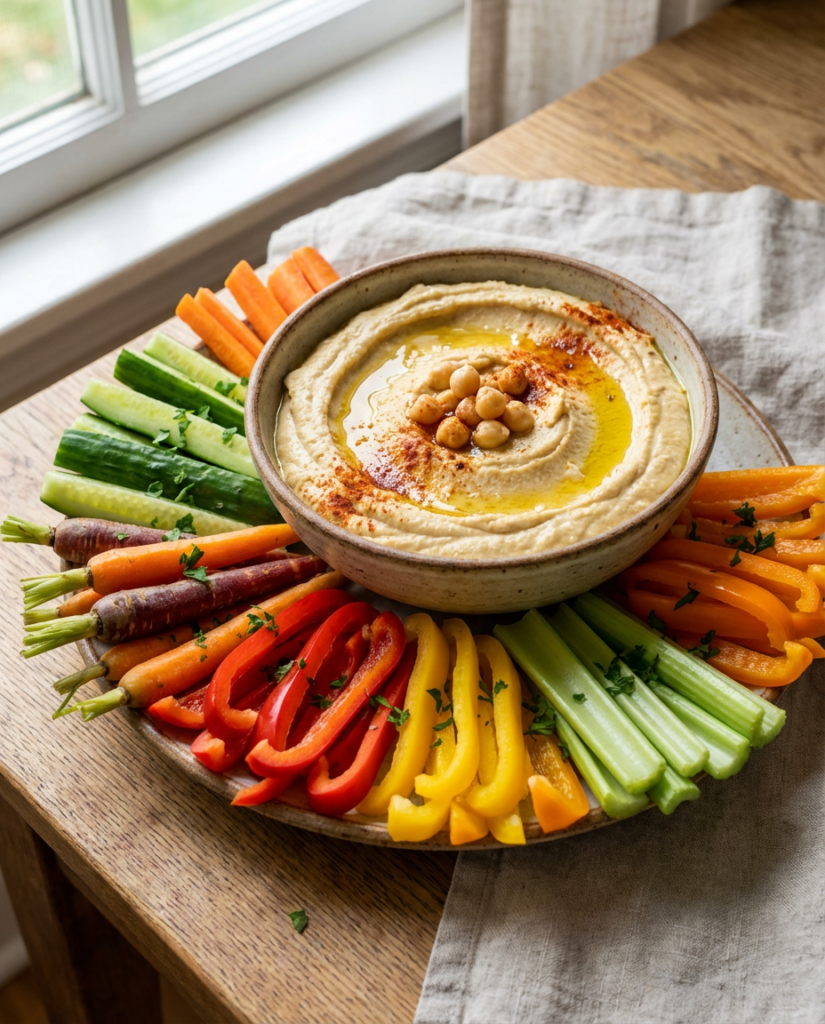
- Chickpeas in hummus have a low GI (28)
- Vegetables add fiber and nutrients
- Protein and healthy fats from tahini
Key Ingredients
- ½ cup hummus (store-bought or homemade)
- Assorted vegetable sticks: cucumber, bell peppers, carrots, celery
Quick Method
- Cut vegetables into sticks.
- Serve with hummus for dipping.
Pro Tip
Make your own hummus to control ingredients and sodium – it’s easy and cheaper!
Nutrition Facts (per serving)
| Calories | Protein | Fat | Carbs | Fiber |
|---|---|---|---|---|
| 160 | 6g | 8g | 18g | 6g |
18. Cottage Cheese with Berries
Why This Recipe Works for Diabetics
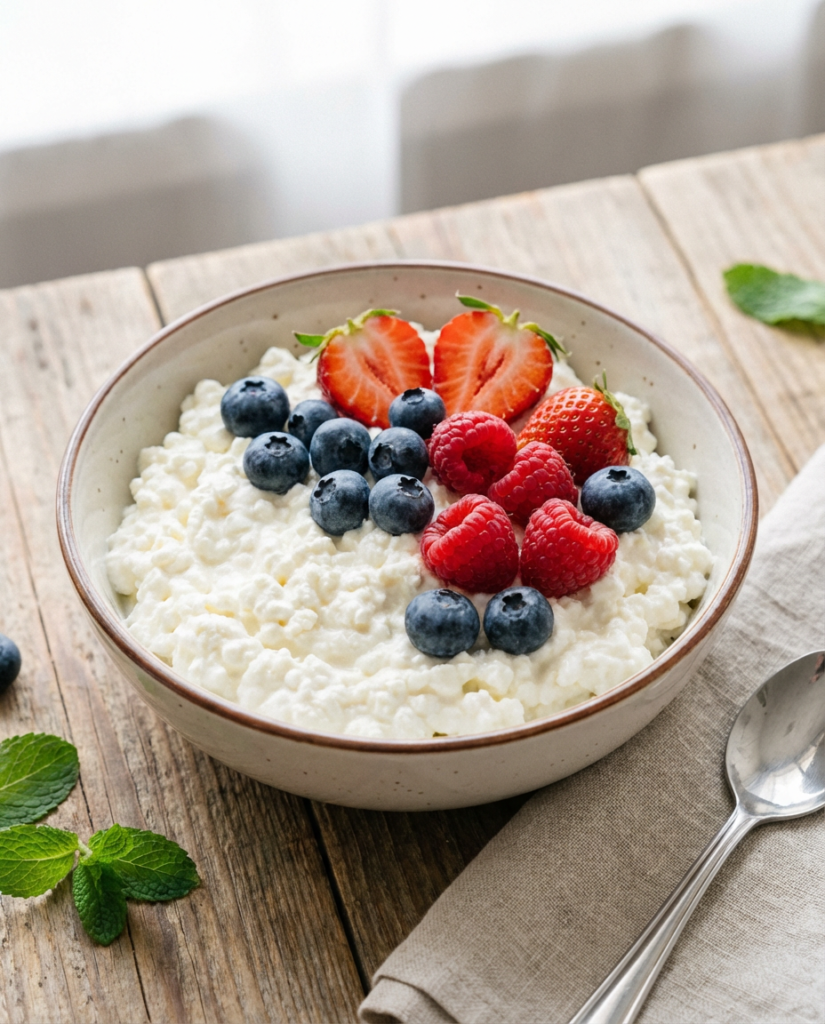
- Cottage cheese is high in protein, low in carbs
- Berries add natural sweetness with low GI
- Quick, no-prep snack
Key Ingredients
- ½ cup cottage cheese
- ¼ cup fresh berries
Quick Method
- Place cottage cheese in a bowl.
- Top with berries.
- Enjoy immediately.
Pro Tip
Choose full-fat cottage cheese for better satiety.
Nutrition Facts (per serving)
| Calories | Protein | Fat | Carbs | Fiber |
|---|---|---|---|---|
| 110 | 14g | 4g | 6g | 1g |
19. Dark Chocolate and Almonds
Why This Recipe Works for Diabetics
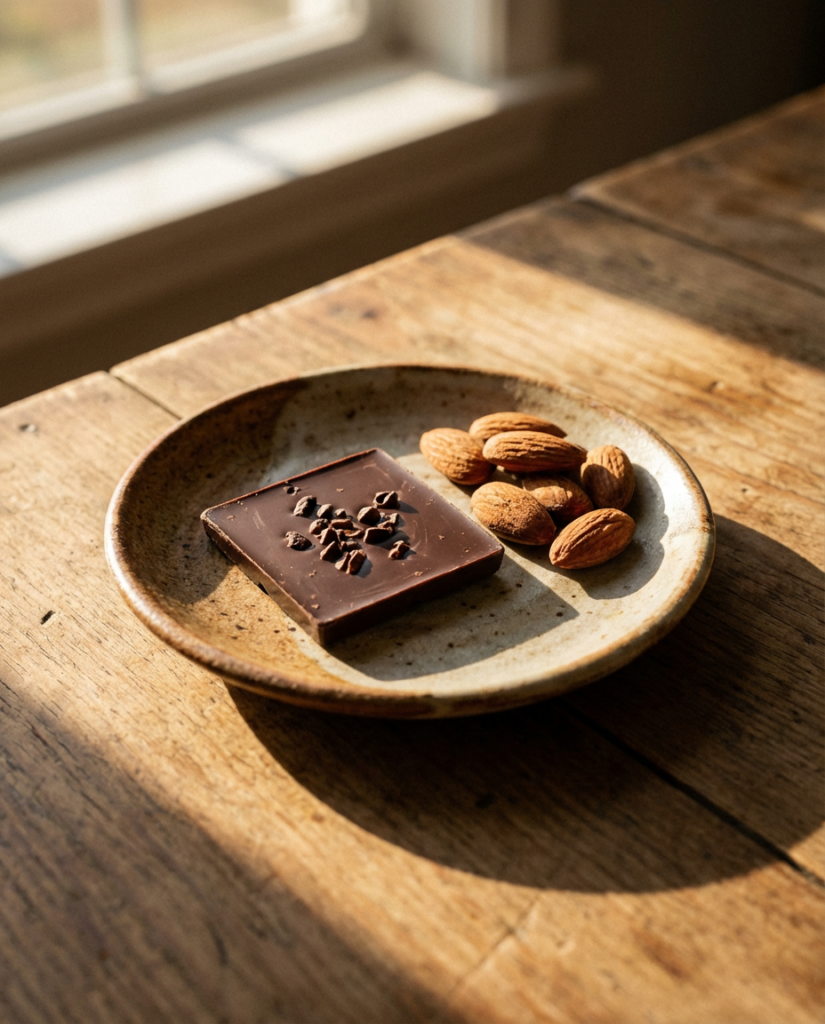
- Dark chocolate (70%+ cocoa) has minimal sugar
- Almonds add protein and healthy fats
- Satisfies sweet cravings without spiking blood sugar
Key Ingredients
- 1 square dark chocolate (about 10g)
- 10-12 almonds
Quick Method
- Enjoy chocolate and almonds together as a satisfying treat.
Pro Tip
Pre-portion small bags of almonds and chocolate squares for grab-and-go snacks.
Nutrition Facts (per serving)
| Calories | Protein | Fat | Carbs | Fiber |
|---|---|---|---|---|
| 120 | 3g | 9g | 6g | 2g |
20. Berry Chia Pudding
Why This Recipe Works for Diabetics
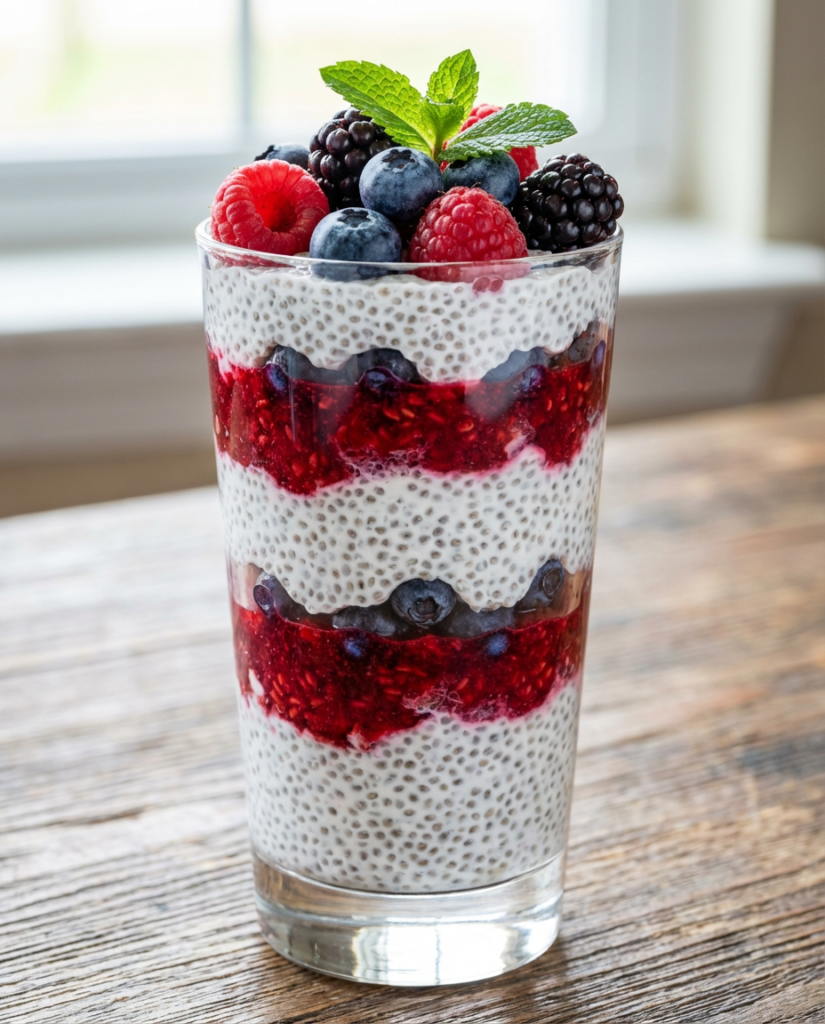
- Chia seeds are fiber-rich and slow digestion
- Berries add flavor with low GI
- Feels like dessert but is actually healthy
Key Ingredients
- ¼ cup chia seeds
- 1 cup unsweetened almond milk
- ½ cup mixed berries
- 1 teaspoon vanilla extract
- Optional: 1 tablespoon powdered erythritol
Quick Method
- Combine chia seeds, almond milk, vanilla, and sweetener in a jar.
- Stir well, refrigerate overnight.
- In the morning, top with fresh berries.
Pro Tip
Layer the pudding with berries in a glass for a beautiful parfait effect.
Nutrition Facts (per serving)
| Calories | Protein | Fat | Carbs | Fiber |
|---|---|---|---|---|
| 190 | 6g | 12g | 15g | 11g |
Quick Reference Table: GI Values of Common Ingredients
| Food | Glycemic Index | Category |
|---|---|---|
| Rolled oats | 55 | Low |
| Quinoa | 53 | Low |
| Lentils | 32 | Low |
| Chickpeas | 28 | Low |
| Apples | 38 | Low |
| Berries | 40-53 | Low |
| Sweet potatoes | 63 | Medium |
| Brown rice | 68 | Medium |
| Whole wheat bread | 69 | Medium |
| Watermelon | 72 | High |
| White bread | 75 | High |
| Corn flakes | 81 | High |
| Instant rice | 87 | High |
Tips for Building a Low-Glycemic Meal Plan
- Pair carbs with protein and fat – This slows digestion and reduces the glycemic response. Add nuts to oatmeal, cheese to whole-grain crackers, or chicken to your salad.
- Choose whole fruits over juice – The fiber in whole fruit slows sugar absorption. A whole orange is much better than orange juice.
- Watch your portions – Even low-GI foods can raise blood sugar if eaten in large quantities. Stick to recommended serving sizes.
- Cook pasta al dente – Slightly undercooked pasta has a lower GI than overcooked pasta.
- Add vinegar or lemon juice – Acidic ingredients can lower the glycemic response of a meal. A simple vinaigrette can make a big difference.
- Include fiber at every meal – Fiber slows digestion and helps stabilize blood sugar. Aim for vegetables, legumes, or whole grains at each meal.
- Don’t fear fat – Healthy fats from olive oil, avocados, nuts, and seeds slow digestion and increase satiety.
“My aunt’s favorite tip,” I shared, “is to always have pre-cut vegetables in the fridge. When hunger strikes, she reaches for those instead of less healthy options.”
“You’ve just discovered 20 Low Glycemic Index Recipes for Better Blood Sugar Control – now take them with you everywhere! Download the free printable ebook and keep these recipes at your fingertips.”
- 🌟 Complete your diabetes-friendly meal plan
- You’ve mastered snacks – now it’s time to build the rest of your day:
- 🌙 Desserts
- ☀️5 Easy Diabetic Dessert Recipes That Taste Amazing – Ready in 15 minutes!
- ☀️Sugar Free Dessert Recipes for Diabetics – Guilt-free indulgence
- 🌟Meals by Time
- ☀️Diabetes: 20 Breakfast Recipes – Start your day right
- ☀️5 Diabetic Lunch Recipes That Keep You Full – Satisfying midday meals
- ☀️5 Quick & Easy Diabetic Dinner Recipes – Ready in 30 minutes
- ☀️Low Carb Diabetic Dinner Ideas – For a stricter approach
- 🌟Snacks & Sides
- ☀️5 Quick & Easy Diabetic Snack Recipes – Curb cravings健康ly
- ☀️16 Best Pasta For Diabetes – Yes, you can still enjoy pasta!
- 🌟Special Topics
- ☀️Tasty Fruit Options for Diabetics – What fruits are safe?
- ☀️Easy Healthy Smoothie Bowls for Diabetics – Fresh and colorful
- ☀️How to Lose Weight With Diabetes – 20 breakfast recipes that work
About the Author
This recipe was created and reviewed by Cooking All Recipes, a food-focused platform dedicated to easy, tested, and family-friendly recipes.
Our recipes are inspired by classic American and British cuisine and are carefully written to ensure clarity, taste, and reliability for home cooks.
Each recipe is tested multiple times to ensure consistent results for home bakers.

Frequently Asked Questions
Q: What’s the difference between glycemic index and glycemic load?
A: Glycemic index measures how quickly a food raises blood sugar. Glycemic load takes into account both the GI and the actual carbohydrate content of a serving, giving a more accurate picture of how a food will affect your blood sugar. We’ll explore this in more detail in a future article!p
Q: Are all low-GI foods healthy?
A: Not necessarily. Some low-GI foods (like chocolate) should still be eaten in moderation. Focus on whole, nutrient-dense foods for the best health outcomes.
Q: Can I eat potatoes on a low-GI diet?
A: It depends. New potatoes have a lower GI than old potatoes. Boiled or roasted potatoes are better than mashed or fried. And always eat the skin for extra fiber!
Q: How do I know if a packaged food has a low GI?
A: Look for whole food ingredients and check the fibre content. Foods with at least 3g of fibre per serving tend to have a lower GI. Also, choose products with minimal added sugar.
Q: Do I need to avoid all high-GI foods?
A: No, you can still enjoy high-GI foods occasionally, especially when paired with protein, fat, or fiber to slow digestion. The key is moderation and balance.
Q: Can these recipes help with weight loss?
A: Yes! Low-GI foods tend to be more filling and satisfying, which can help reduce overall calorie intake. Many of these recipes are also designed with weight management in mind.
Final Thoughts
The day my aunt called me, confused about glycemic index, feels like a lifetime ago. Today, she confidently plans her meals around low-GI foods, and her blood sugar has never been more stable.
“I finally understand that I’m not restricted – I just need to make smarter choices,” she told me last week. “And these recipes don’t feel like ‘diet food’ at all. They’re just good food that happens to be good for me.”
You can do the same. With these 20 recipes and the tips in this guide, you have everything you need to start enjoying delicious, low-GI meals that support your health.
Which recipe will you try first? Let me know in the comments below!
👉 Want more diabetes-friendly recipes? Follow me on Medium for exclusive content!
👉 📘 Download your free ebook with 5 quick & healthy diabetic snack recipes!
from there. Your journey to better blood sugar control starts now.
✨ Free Ebook: 5 Healthy Snack Recipes ✨
💌 Get more recipes by email! Subscribe to our newsletter for weekly diabetes-friendly recipes and tips. Subscribe →
Key Takeaways
How did you find this recipe?
There are no reviews yet. Be the first one to write one.