Healthy Sugar Free Dessert Recipes for Diabetics You’ll Love

Managing diabetes doesn’t mean giving up on your sweet tooth. I’ve discovered that with the right sugar free dessert recipes for diabetics, you can satisfy your cravings without compromising your blood sugar balance.
Table of Contents
Enjoying desserts without guilt is now possible with these healthy and delicious homemade treats. I’ve curated a collection of easy-to-make desserts that are not only diabetic-friendly but also incredibly tasty.
These healthy meal options are perfect for anyone looking to indulge in sweets while maintaining a balanced diet. Let’s dive into the world of sugar-free desserts that are sure to become your new favourites.
🍰 For more sugar-free dessert ideas and low glycemic recipes, explore our 20 Low Glycemic Index Recipes collection.
✨ Free Ebook: 5 Healthy Snack Recipes ✨
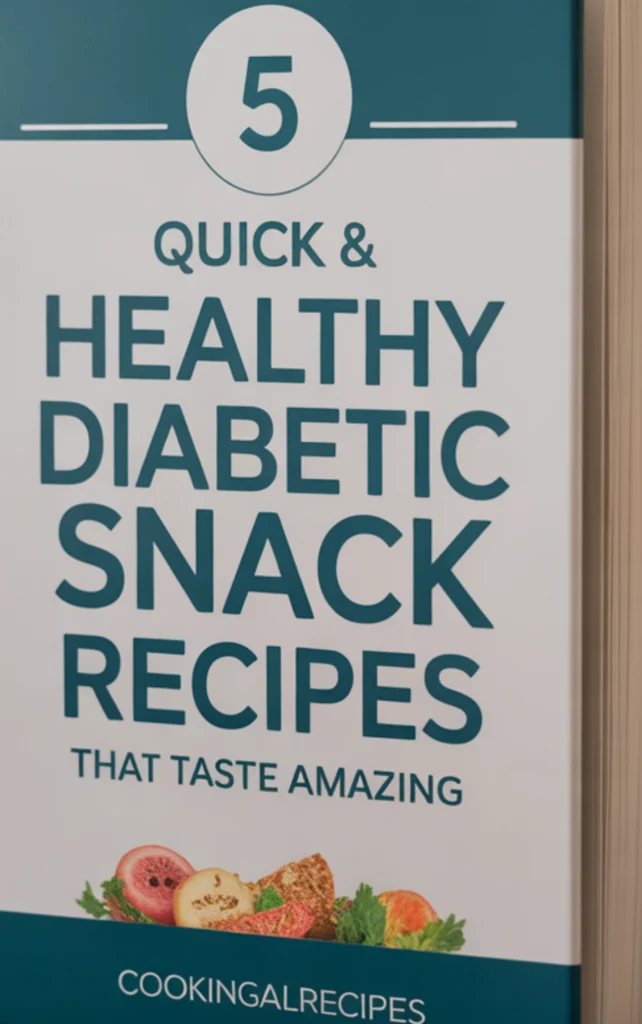
💌 Get more recipes by email! Subscribe to our newsletter for weekly diabetes-friendly recipes and tips. Subscribe →
Key Takeaways
- Delicious sugar-free dessert options for diabetics
- Easy-to-follow recipes for homemade treats
- Healthy meal ideas that satisfy your sweet tooth
- Diabetic-friendly desserts that are low in sugar
- Tips for maintaining blood sugar balance while enjoying desserts
Why Choose Sugar-Free Desserts for Diabetes Management
Managing diabetes effectively requires making informed dietary choices, and one of the most impactful decisions is opting for sugar-free desserts. As a diabetic, it’s crucial to maintain a balanced diet that doesn’t compromise your health. Sugar-free desserts offer a guilt-free way to satisfy your sweet tooth.
Blood Sugar Control Benefits
One of the primary advantages of sugar-free desserts is their role in maintaining blood sugar control. Unlike traditional desserts loaded with sugar, sugar-free alternatives prevent spikes in blood glucose levels. This is particularly beneficial for diabetics who need to manage their blood sugar levels carefully.
For instance, desserts made with natural sweeteners like stevia or erythritol have a minimal impact on blood sugar levels. According to a study published in the Journal of Clinical Endocrinology & Metabolism, “the use of low-calorie sweeteners can help reduce calorie and sugar intake, which can be beneficial for glucose control”
“the use of low-calorie sweeteners can help reduce calorie and sugar intake, which can be beneficial for glucose control”
.
Weight Management Advantages
Sugar-free desserts also contribute to weight management, a critical aspect of diabetes care. Traditional desserts are often high in calories and added sugars, which can hinder weight loss efforts. In contrast, sugar-free desserts are typically lower in calories, making them a more diet-friendly option.
| Dessert Type | Average Calories per Serving | Impact on Weight Management |
|---|---|---|
| Traditional Desserts | 200-500 calories | High calorie count can hinder weight loss |
| Sugar-Free Desserts | 50-150 calories | A high calorie count can hinder weight loss |
Reduced Long-Term Health Risks
Choosing sugar-free desserts can also reduce the risk of long-term health complications associated with diabetes. Consuming high amounts of sugar is linked to various health issues, including heart disease and nerve damage. By opting for sugar-free desserts, diabetics can minimise these risks.
As highlighted by a health expert, “reducing sugar intake is a proactive step towards minimising the risk of diabetes-related complications.” This emphasises the importance of making informed dietary choices, such as selecting sugar-free desserts.
By incorporating sugar-free desserts into your diet, you can enjoy sweet treats while maintaining better control over your diabetes. This approach not only supports your health but also enhances your overall quality of life.
Key Ingredients for Healthy Homemade Desserts
To make delicious and healthy desserts at home, you need to know the best ingredients to use. Creating a homemade version of your favourite desserts allows you to control what goes into them, making them a healthier option for a healthy meal.
Natural Sugar Substitutes That Work Best
Using natural sugar substitutes is a great way to reduce sugar content in your desserts. Some of the best options include:
- Stevia: A natural sweetener that is zero-calorie and doesn’t raise blood sugar levels.
- Erythritol: A sugar substitute that has a minimal impact on blood sugar.
- Monk Fruit Sweetener: A sweetener made from a type of melon, it’s calorie-free and doesn’t raise blood sugar.
As noted by a health expert, “Choosing the right sweetener can make a significant difference in managing blood sugar levels.”
“The key to managing diabetes through diet is making informed choices about the foods you eat, including desserts.”
Fibre-Rich Flours and Healthy Alternatives
Fibre-rich flours not only add nutrition to your desserts but also help in managing blood sugar levels. Some healthy alternatives include:
| Flour Type | Nutritional Benefit |
|---|---|
| Almond Flour | High in protein and healthy fats |
| Coconut Flour | Rich in fiber, aids digestion |
| Oat Flour | Rich in fibre, aids digestion |
Healthy Fats for Better Texture and Satisfaction
Incorporating healthy fats into your desserts can enhance their texture and make them more satisfying. Some examples include:
- Avocado: Adds creaminess and healthy fats.
- Nuts and Seeds: Provides crunch and a boost of healthy fats and protein.
- Coconut Oil: A healthy alternative to traditional fats, adds flavour and moisture.
By incorporating these key ingredients into your homemade desserts, you can create treats that are not only delicious but also beneficial for your health.
15 Sugar-Free Dessert Recipes for Diabetics
Explore 15 mouth-watering sugar-free dessert recipes that are perfect for diabetics looking to satisfy their sweet tooth. These recipes are not only delicious but also easy to make, using ingredients that are readily available.
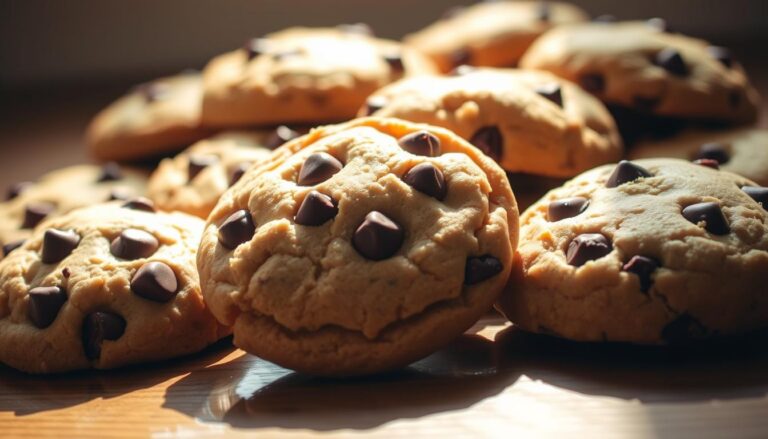
1. Almond Flour Chocolate Chip Cookies
These cookies are made with almond flour, making them a great option for those with gluten intolerance. They’re also sugar-free, using natural sweeteners instead.
Benefits: Low in carbs, rich in healthy fats, and perfect for a quick snack.
2. Greek Yoghurt Berry Parfait
A layered dessert made with Greek yoghurt, fresh berries, and a sprinkle of granola. It’s a refreshing and healthy dessert option.
Why it’s great: High in protein, fibre-rich, and can be customised with your favourite berries.
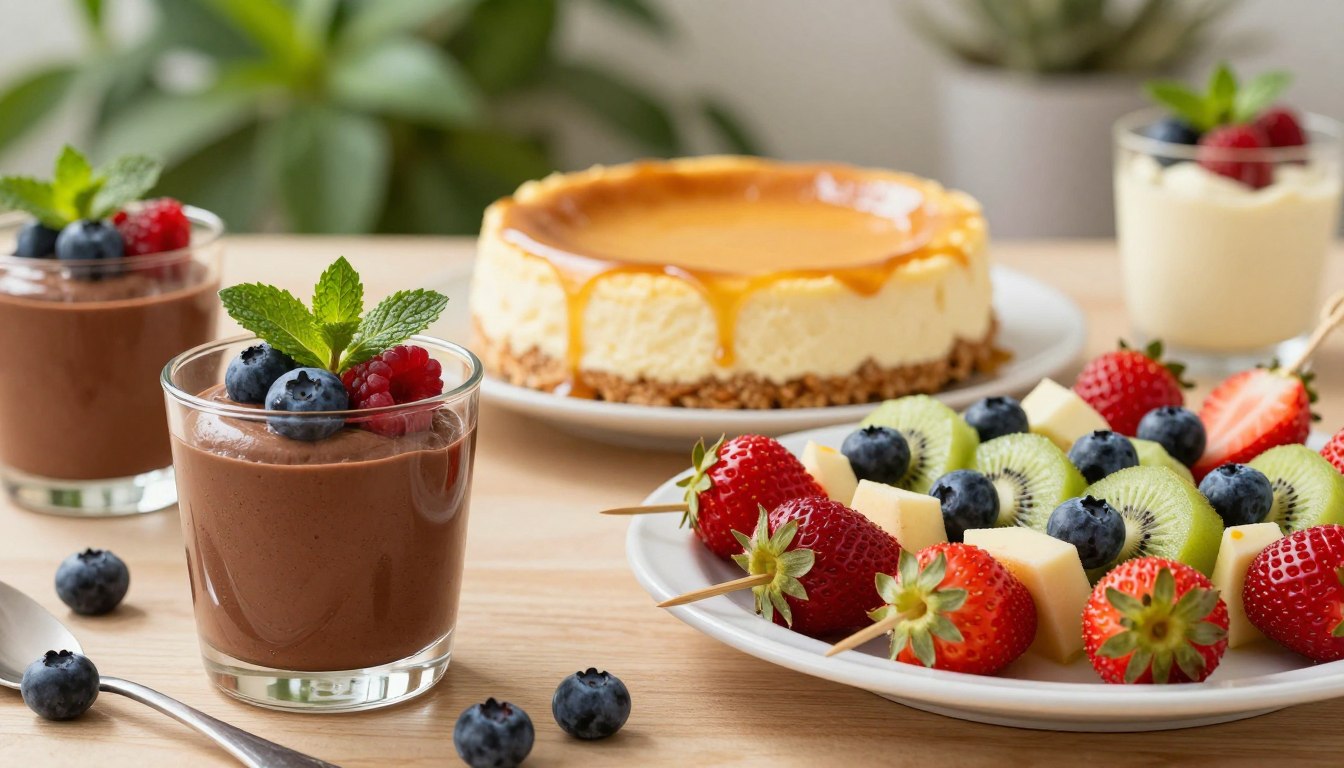
3. Sugar-Free Cheesecake Bites
Bite-sized cheesecakes made without sugar, using a natural sweetener instead. They’re perfect for a guilt-free dessert.
Tip: Use a sugar-free graham cracker crust for an extra-special treat.
4. Cinnamon Baked Apples
A warm, comforting dessert that’s easy to make. Simply core some apples, fill them with cinnamon and a natural sweetener, and bake until tender.
Benefit: High in fiber, antioxidants, and can be made with minimal ingredients.
5. Coconut Flour Brownies
Dense, fudgy brownies made with coconut flour are a great alternative to traditional flour. They’re sugar-free and perfect for a treat.
Why they’re great: Low in carbs, rich in healthy fats, and can be made dairy-free.
6. Chia Seed Chocolate Pudding
A rich, chocolatey pudding made with chia seeds, almond milk, and a natural sweetener. It’s a healthy dessert option that’s high in fibre and omega-3s.
Tip: Refrigerate overnight for a creamy texture.
7. No-Bake Peanut Butter Balls
Easy to make, no-bake bites made with peanut butter, coconut flour, and a natural sweetener. They’re perfect for a quick snack or dessert.
Benefit: High in protein, healthy fats, and can be made without baking.
8. Lemon Ricotta Cake
A moist, flavorful cake made with lemon zest, ricotta cheese, and a natural sweetener. It’s a great dessert option for spring.
Why it’s great: Light, refreshing, and can be made with minimal sugar.
9. Sugar-Free Pumpkin Mousse
A light, airy dessert made with pumpkin puree, cream cheese, and a natural sweetener. It’s perfect for fall.
Tip: Use fresh pumpkin puree for the best flavour.
10. Avocado Chocolate Truffles
Rich, creamy truffles made with avocado, cocoa powder, and a natural sweetener. They’re a healthy dessert option that’s high in healthy fats.
Benefit: Can be made with minimal sugar, high in healthy fats, and perfect for a treat.
11. Vanilla Almond Custard
A creamy, comforting dessert made with almond milk, eggs, and a natural sweetener. It’s a great option for a warm, comforting treat.
Why it’s great: Low in carbs, high in protein, and can be made with minimal sugar.
12. Berry Crumble with Oat Topping
A warm, comforting dessert made with fresh berries, oats, and a natural sweetener. It’s perfect for a cold winter’s night.
Tip: Use a mixture of berries for the best flavour.
13. Frozen Banana Nice Cream
A creamy, dairy-free dessert made with frozen bananas. It’s a great option for hot summer days.
Benefit: Low in calories, high in potassium, and can be made with minimal ingredients.
14. Coconut Macaroons
Chewy, coconut-based cookies that are sugar-free and perfect for a treat. They’re easy to make and can be customised with your favourite flavours.
Why they’re great: Low in carbs, high in healthy fats, and can be made dairy-free.
15. Sugar-Free Tiramisu
A classic Italian dessert made without sugar, using ladyfingers, mascarpone cheese, and a natural sweetener. It’s a great option for a special occasion.
Tip: Use high-quality ladyfingers for the best flavour.
These 15 sugar-free dessert recipes for diabetics prove that healthy can be delicious. With a variety of options to choose from, you’re sure to find something that suits your taste preferences.
“The key to enjoying desserts while managing diabetes is to focus on natural ingredients and sugar-free alternatives. With a little creativity, you can indulge in delicious treats without compromising your health.”
Tips for Baking Without Sugar Successfully
The key to successful sugar-free baking lies in making a few simple changes to your recipes. When you remove sugar, you need to adjust other ingredients to maintain the right texture and flavour. Here are some tips to help you get started with baking healthy, sugar-free desserts.
Adjusting Liquid Ratios in Your Recipes
Sugar plays a role in the moisture content of baked goods, so when you remove it, you may need to adjust the liquid ratios. Using natural sweeteners like honey or maple syrup can add moisture, but be cautious not to add too much, as this can make your desserts too wet. Here are some tips for adjusting liquid ratios:
- Reduce liquid ingredients by 1-2 tablespoons when using a liquid sweetener.
- Add an extra tablespoon or two of flour or almond meal to absorb excess moisture.
- Keep an eye on the consistency of your batter or dough; it should still be workable.
Temperature and Timing Modifications
Sugar-free baked goods can behave differently in the oven. Reducing the sugar content can affect the browning and texture. To adjust:
- Lower the oven temperature by 1-2 degrees to prevent over-browning.
- Keep an eye on your baked goods; they may be done sooner than you expect.
- Use a toothpick or cake tester to check for doneness.
Enhancing Flavour Naturally Without Sweetness
When you’re not relying on sugar for flavour, you can get creative with other ingredients. Spices, extracts, and fruit can add depth and complexity to your desserts. Try using:
- Cinnamon, nutmeg, or cardamom to add warmth.
- Vanilla or almond extract for a classic flavour.
- Fresh or dried fruit to introduce natural sweetness and texture.
By making these adjustments and experimenting with new flavours, you can create delicious, sugar-free desserts that are perfect for a healthy meal or snack.
Portion Control and Smart Sweeteners Guide
Managing diabetes effectively requires a thoughtful approach to dessert consumption, focusing on portion control and smart sweetener choices. As someone who enjoys baking and wants to maintain a healthy lifestyle, I’ve learned that being mindful of what I eat is crucial.
Understanding Appropriate Serving Sizes
One of the most challenging aspects of enjoying desserts is determining the right serving size. For diabetics, it’s essential to understand that even sugar-free desserts can impact blood sugar levels if consumed in large quantities. I always recommend checking the nutrition label for the serving size and the corresponding carbohydrate count.
Here’s a simple guideline to follow:
| Dessert Type | Standard Serving Size | Carbohydrate Count |
|---|---|---|
| Sugar-Free Cheesecake | 1 slice (1/12 of the pie) | 15g |
| No-Bake Peanut Butter Balls | 1 ball | 5g |
| Coconut Flour Brownies | 1 square (2×2 inches) | 10g |
Best Sweetener Options for Diabetics
Choosing the right sweetener is vital for diabetics who want to enjoy desserts without compromising their health. Some sweeteners are better than others because they have a minimal impact on blood sugar levels.
- Stevia: A natural sweetener that is calorie-free and doesn’t raise blood sugar levels.
- Erythritol: A sugar substitute that contains almost no calories and doesn’t affect blood sugar.
- Monk Fruit Sweetener: Derived from a type of melon, it’s much sweeter than sugar and has no calories.
Reading Nutritional Labels Effectively
Being able to read nutritional labels effectively is a valuable skill for diabetics. It helps in making informed decisions about the food you eat. When checking labels, look for the total carbohydrate count, serving size, and the list of ingredients. Be wary of added sugars and artificial sweeteners that might not be suitable for your dietary needs.
By being mindful of portion sizes, choosing the right sweeteners, and understanding nutritional labels, diabetics can enjoy a wide range of sugar-free desserts while maintaining their health.
How to Meal Prep Your Sugar-Free Desserts
I’ve found that meal prepping sugar-free desserts not only saves time but also helps in maintaining a healthy diet. By preparing your desserts in advance, you can ensure that you have a steady supply of healthy treats on hand.
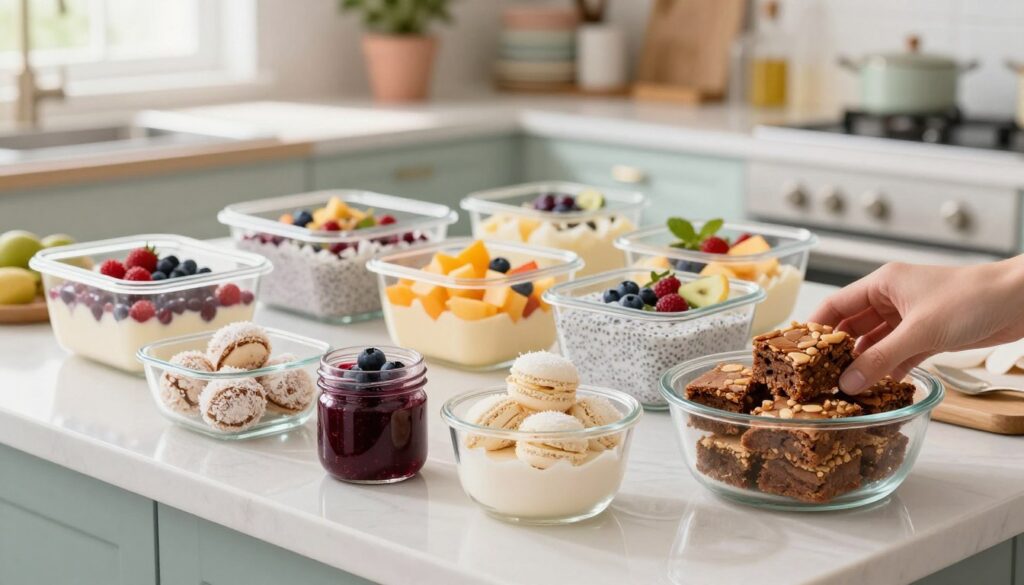
Storage Tips for Maximum Freshness
Proper storage is crucial to maintaining the freshness and quality of your sugar-free desserts. Here are some tips to help you store your desserts effectively:
- Use airtight containers to prevent moisture and air from affecting the texture and taste of your desserts.
- Store desserts in the refrigerator to keep them fresh for a longer period.
- For longer storage, consider freezing your desserts. Use freezer-safe containers or bags to prevent freezer burn.
Batch Preparation Strategies
Batch preparation is a great way to save time and ensure that you have a steady supply of sugar-free desserts. Here are some strategies to help you prepare your desserts in batches:
- Prepare a large batch of your favourite sugar-free dessert recipe and portion it out into individual servings.
- Use a consistent recipe to ensure that your desserts turn out the same every time.
- Consider preparing different types of desserts in one batch to keep your meal plan interesting.
By following these storage tips and batch preparation strategies, you can enjoy your homemade sugar-free desserts as part of a healthy meal plan. Meal prepping your desserts not only saves time but also helps you stay on track with your dietary goals.
Common Mistakes to Avoid When Making Diabetic Desserts
To successfully create diabetic-friendly desserts, it’s crucial to steer clear of several frequent errors. Making healthy desserts for diabetics involves more than just substituting sugar; it requires a comprehensive approach to avoid common pitfalls.
Overusing Sugar Alcohols and Their Effects
Sugar alcohols, such as xylitol and erythritol, are popular sugar substitutes in diabetic desserts. However, overusing them can lead to gastrointestinal issues like bloating and diarrhoea. Moderation is key when incorporating these sweeteners into your recipes.
Here’s a comparison of common sugar alcohols and their gastrointestinal effects:
| Sugar Alcohol | Gastrointestinal Effects | Recommended Daily Intake |
|---|---|---|
| Xylitol | Bloating, Gas | 50 grams |
| Erythritol | Generally well-tolerated | 100 grams |
| Sorbitol | Laxative effect | 20 grams |
Ignoring Total Carbohydrate Count
When making diabetic desserts, it’s not just about reducing sugar; it’s also about monitoring the total carbohydrate count. Carbohydrates can impact blood sugar levels, so understanding the carb count of your ingredients is crucial.
For example, almond flour is a popular alternative to traditional flour, but it still contains carbohydrates that count towards your daily intake. Here’s a simple breakdown:
- 1 cup almond flour = 24g carbohydrates
- 1 cup coconut flour = 24g carbohydrates
- 1 cup traditional flour = 76g carbohydrates
Sacrificing Taste for Health
While health is a priority, taste shouldn’t be sacrificed. Using natural sweeteners like stevia or monk fruit can provide sweetness without sugar. Additionally, incorporating spices like cinnamon and nutmeg can enhance flavour without adding sugar.
By avoiding these common mistakes, you can create diabetic desserts that are not only healthy but also delicious. Remember, the key is balance and moderation in your ingredients and portion sizes.
Pairing Desserts with a Healthy Meal Plan
I find that pairing desserts with a healthy meal plan requires a thoughtful approach to maintain balance. It’s about making conscious choices that allow you to enjoy your favourite treats without compromising your nutritional goals.
Timing Your Treats Wisely
Timing is everything when it comes to enjoying desserts. I recommend having desserts after a balanced meal to prevent a spike in blood sugar levels. For instance, having a sugar-free cheesecake after a meal rich in protein and fibre can be a satisfying way to end your meal.
Here are some tips for timing your treats:
- Have desserts after meals, not on an empty stomach.
- Choose desserts that are high in fibre and protein to keep you fuller for longer.
- Consider having a small dessert as a reward after reaching your daily activity goals.
Balancing Macronutrients Throughout the Day
Balancing your macronutrients is crucial when incorporating desserts into your meal plan. Ensuring that your daily intake is well-distributed among carbohydrates, proteins, and fats can help manage the impact of desserts on your overall diet.
For example, if you plan to have a carbohydrate-rich dessert, you might want to balance it out by having a protein-rich meal earlier in the day. Here’s a simple guide:
| Meal | Carbohydrates | Proteins | Fats |
|---|---|---|---|
| Breakfast | 30g | 40g | 20g |
| Lunch | 40g | 50g | 30g |
| Dinner | 30g | 40g | 20g |
| Dessert | 20g | 10g | 15g |
Making Desserts Part of Your Lifestyle
Making desserts a part of your lifestyle involves more than just choosing the right recipes; it’s about creating a sustainable habit. I suggest preparing homemade versions of your favourite desserts using healthier ingredients.
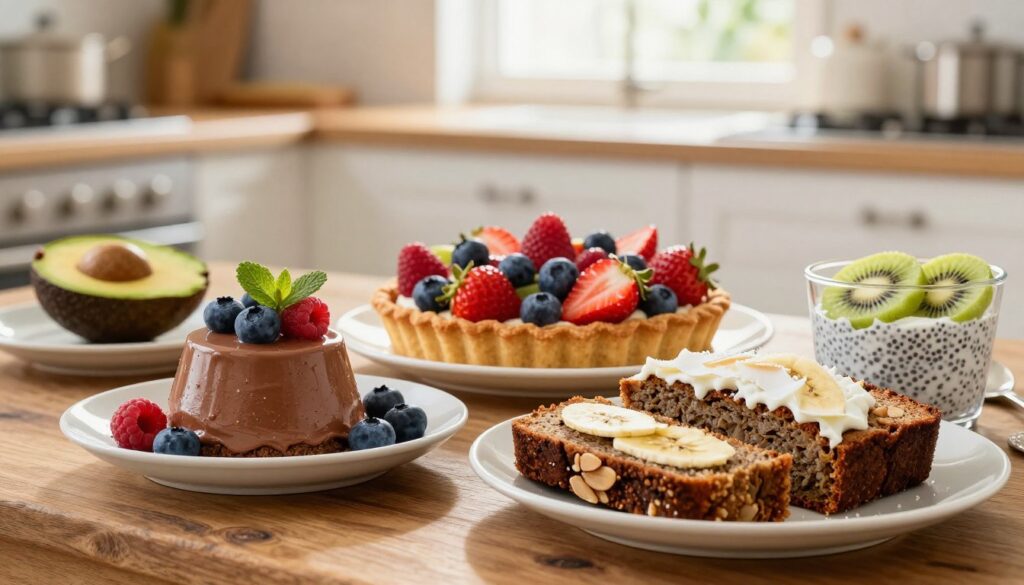
By doing so, you can enjoy your desserts while maintaining control over the ingredients and portion sizes. This approach not only helps in managing sugar intake but also fosters a healthier relationship with food.
Conclusion
Managing diabetes doesn’t mean giving up on sweet treats. With the right sugar-free dessert recipes for diabetics, you can indulge in delicious desserts while maintaining your health goals. The recipes and tips provided in this article showcase the variety of options available, from classic cheesecakes to innovative fruit-based desserts.
By incorporating natural sugar substitutes, fibre-rich flours, and healthy fats, you can create desserts that are not only sugar-free but also nutritious. Whether you’re looking for a quick snack or a special occasion dessert, these sugar-free dessert recipes for diabetics offer something for everyone.
I encourage you to explore these recipes, experiment with new ingredients, and make sugar-free desserts a part of your healthy lifestyle. With a little creativity and the right guidance, you can enjoy the sweet side of life without compromising your diabetes management.
🍽️ More Diabetes-Friendly Recipes?
📚 For more diabetes-friendly recipes and tips, check out our complete guide:
👉 20 Low Glycemic Index Recipes for Better Blood Sugar Control
✅ Discover delicious meals that help maintain stable blood sugar.
✨ Free Ebook: 5 Healthy Snack Recipes ✨
💌 Get more recipes by email! Subscribe to our newsletter for weekly diabetes-friendly recipes and tips. Subscribe →
Download the free printable ebook and keep these recipes at your fingertips.”
About the Author
This recipe was created and reviewed by Cooking All Recipes, a food-focused platform dedicated to easy, tested, and family-friendly recipes.
Our recipes are inspired by classic American and British cuisine and are carefully written to ensure clarity, taste, and reliability for home cooks.
Each recipe is tested multiple times to ensure consistent results for home bakers.

FAQ
What are some easy sugar-free dessert recipes for diabetics?
Are sugar-free desserts healthy for diabetics?
Can I make homemade sugar-free desserts that are delicious?
How do I choose the best sugar substitute for my desserts?
What are some tips for baking without sugar successfully?
How can I meal prep my sugar-free desserts?
What are some common mistakes to avoid when making diabetic desserts?
How did you find this recipe?
There are no reviews yet. Be the first one to write one.