Tasty Fruit Options for Diabetics: Menu Ideas For Diabetics, What Fruits Can Diabetics Eat, Healthy
I’ll never forget the afternoon my aunt called me, almost in tears. “My doctor said I need to cut back on sugar,” she explained, “but how can I ever enjoy fruit again? Are bananas forbidden? What about grapes? I’m so confused.”

She had just been diagnosed with type 2 diabetes, and like so many, she thought fruit was now off-limits. That conversation broke my heart – and sparked a mission.
The truth is, people with diabetes can enjoy fruit. The key is knowing which fruits to choose, how much to eat, and how to pair them for stable blood sugar. After weeks of testing and learning with my aunt, I’m sharing everything we discovered.
Let’s clear up the confusion once and for all.
Table of Contents
Managing diabetes can be tough, but making smart food choices helps a lot. Fruits are key to a healthy diet. They can be a great choice for diabetics if picked carefully.
Choosing the right fruits can help control blood sugar and add important nutrients. In this article, we’ll look at tasty fruits good for diabetics. We’ll also share menu ideas to add to your meals.
Key Takeaways
- Discover the best fruits to eat with diabetes
- Learn how to incorporate fruits into your diabetic diet
- Explore healthy meal ideas that include fruits
- Understand the importance of choosing the right fruits for diabetes management
- Get tips on managing blood sugar levels with the right food choices
Understanding Diabetes and Blood Sugar Management
Managing diabetes means knowing how food affects blood sugar. As someone with diabetes, it’s key to understand how your diet impacts your blood glucose. This helps keep your health in check.
How Carbohydrates Affect Blood Sugar
Carbohydrates greatly affect blood sugar because they turn into glucose when digested. Foods high in carbs, like bread and sweets, can quickly raise blood sugar. Knowing how carbs affect blood glucose is crucial for managing diabetes well.
The Glycemic Index and Glycemic Load
The glycemic index (GI) shows how fast foods raise blood sugar. Foods with a high GI, like white bread, increase blood glucose quickly. The glycemic load (GL) considers serving size, giving a clearer view of a food’s blood sugar impact. “Choosing foods with a low GI and GL helps diabetics control their blood sugar better,” experts say.
The Importance of Portion Control
It’s vital to control portion sizes to manage blood sugar. Eating big portions, even of healthy foods, can lead to too many carbs and blood sugar spikes. Using measuring cups or a food scale helps measure food accurately.
By knowing how carbs affect blood sugar, using the GI and GL for smart food choices, and controlling portions, people with diabetes can manage their condition. They can also keep their diet healthy.
The Role of Fruits in a Diabetic Diet
For people with diabetes, knowing how fruits fit into their diet is key. Fruits are full of nutrients, fiber, and antioxidants. They are also sweet, making them a good choice instead of sugary snacks.
Benefits of Including Fruits in Your Diet
Fruits are packed with vitamins, minerals, and antioxidants. These help fight off diabetes-related problems like heart disease and nerve damage. The fibre in fruits slows down sugar absorption, which helps control blood sugar. Adding different fruits to your diet can bring many health benefits, like better insulin sensitivity and healthy digestion.
Why Some Fruits Are Better Than Others
Not all fruits are the same for diabetes management. Berries and citrus fruits are better because they’re high in fiber and antioxidants. The glycemic index (GI) helps show how fruits affect blood sugar. Fruits with a low GI, like apples and pears, raise blood sugar slowly.
| Fruit | Glycemic Index (GI) | Fiber Content |
|---|---|---|
| Apples | 38 | 4.5g |
| Bananas | 51 | 3.1g |
| Oranges | 40 | 2.9g |
Balancing Fruit Consumption with Other Foods
To enjoy fruits’ benefits, balance them with other healthy foods. Eating fruits with protein or healthy fats helps control blood sugar and keeps you full. For example, an apple with almond butter or berries with Greek yoghurt makes a great snack.
Best Low-Glycemic Fruits for Diabetics
Diabetics have many fruit options that are sweet but won’t raise blood sugar too much. The trick is to pick fruits with a low glycemic index (GI). This index shows how fast foods can raise blood sugar levels.
Berries: Nature’s Diabetes-Friendly Candy
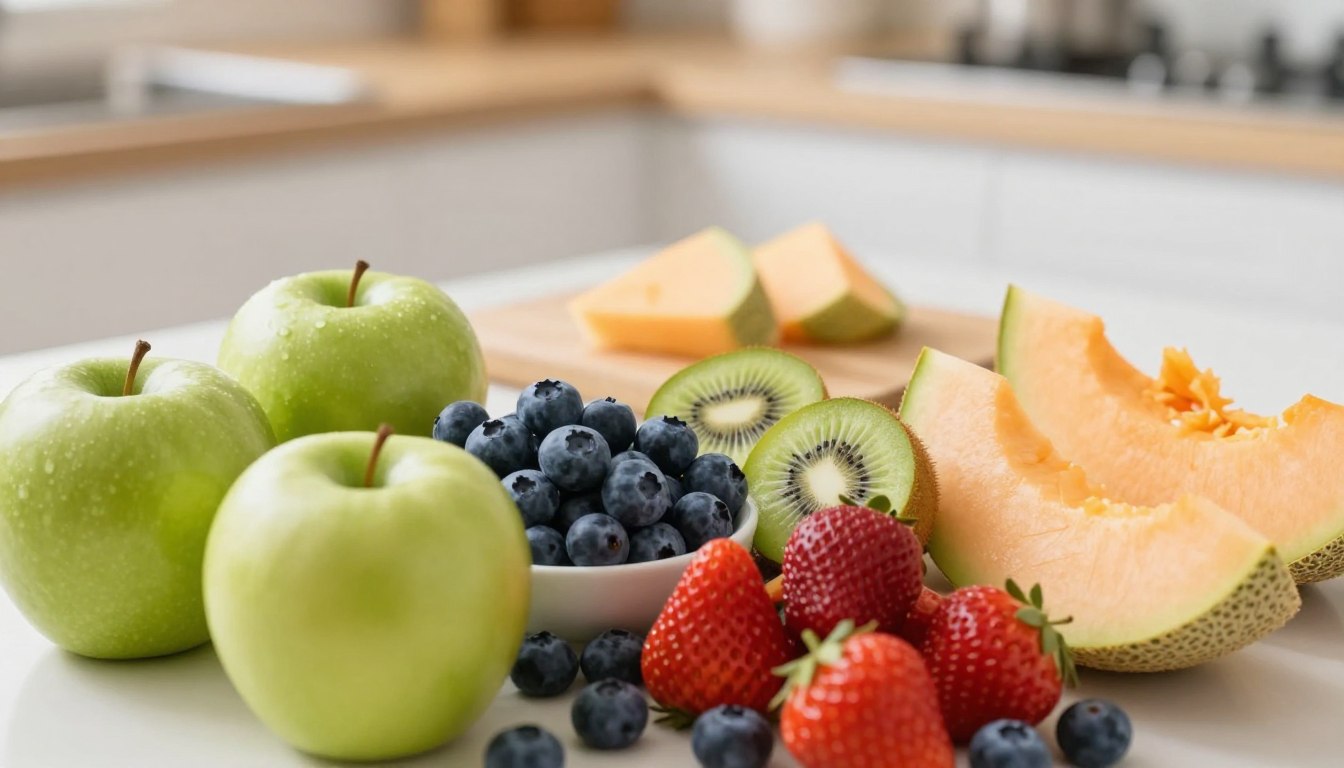
Berries like strawberries, blueberries, and raspberries are tasty and low GI. They’re full of fibre, vitamins, and antioxidants. This makes them a great choice for diabetics.
Citrus Fruits: Tangy and Blood Sugar Friendly
Citrus fruits like oranges, grapefruits, and lemons are high in fibre and vitamin C. They don’t raise blood sugar much. Their tangy taste can also spice up meals and snacks.
Stone Fruits: Delicious and Diabetes-Approved
Stone fruits, such as peaches, plums, and nectarines, are packed with fibre and antioxidants. They have a moderate GI but can be part of a balanced diet in moderation.
Apples and Pears: Fibre-Rich Options
Apples and pears are good for diabetics because they’re high in fibre. This slows down sugar digestion. They’re also filling, making them a great snack.
| Fruit | Glycemic Index | Fiber Content (per serving) |
|---|---|---|
| Strawberries | 32 | 3g |
| Oranges | 40 | 2.9g |
| Peaches | 42 | 2.5g |
| Apples | 38 | 4.5g |
Adding these fruits to your diet can be fun and help manage diabetes. By picking low-GI fruits, diabetics can enjoy different tastes while keeping blood sugar stable.
Fruits to Consume in Moderation
Managing diabetes doesn’t mean giving up fruits. But knowing which ones to eat in moderation is key. Some fruits can raise blood sugar levels because of their natural sugars.
Some fruits are better for diabetics than others. It’s important to know which fruits to eat in small amounts. This helps keep blood sugar levels in check.
Tropical Fruits: How to Enjoy Them Safely
Tropical fruits like mangoes, pineapples, and papayas are tasty but can raise blood sugar. Here are some tips to enjoy them safely:
- Eat them in small portions to avoid a sudden spike in blood sugar.
- Pair them with protein or healthy fats to balance the meal.
- Choose fruits that are less ripe, as they tend to have a lower glycemic index.
Dried Fruits: Concentrated Sweetness
Dried fruits like dates, apricots, and raisins are packed with natural sugars. They can be a healthy snack but should be eaten in small amounts. This is because of their high sugar content.
Fruit Juices: Why Whole Fruits Are Better
Fruit juices, even if 100% fruit, lack fiber. They can quickly raise blood sugar levels. Whole fruits, on the other hand, have fiber. This helps slow down the digestion of natural sugars, making them a better choice for diabetics.
By being mindful of the types of fruits consumed and their preparation, diabetics can enjoy a variety of fruits. This way, they can maintain good blood sugar control.
Fruits to Limit or Avoid
For people with diabetes, some fruits can be bad news. While fruits are usually good for you, some can raise your blood sugar too much. This is because they have a lot of sugar.
High-Sugar Fruits to Be Cautious With
Fruits like mangoes, pineapples, and grapes have a lot of natural sugars. Eating too much of these can make your blood sugar go up.
| Fruit | Sugar Content per Serving |
|---|---|
| Mango | 24 grams |
| Pineapple | 16 grams |
| Grapes | 15 grams |
Canned Fruits and Added Sugars
Canned fruits often have added sugars, which are bad for diabetes. It’s better to choose canned fruits in water or natural juice.
Fruit Products with Hidden Sugars
Fruit products like jams, preserves, and fruit leathers have a lot of added sugars. It’s important to watch out for these to keep your blood sugar stable.
By watching what fruits and fruit products you eat, you can manage your diabetes better. This helps you keep your diet balanced.
Menu Ideas For Diabetics: Breakfast Options
Starting your day with a nutritious breakfast is key, especially for diabetics. They need to keep their blood sugar in check. Adding fruits to your morning meal gives you important nutrients, fibre, and sweetness without refined sugars.
Fruit-Based Breakfast Bowls
A fruit-based breakfast bowl is a tasty and healthy start. Use Greek yogurt or low-glycemic oatmeal as the base. Then, top it with berries, sliced bananas, or diced apples. A sprinkle of nuts or seeds adds crunch and healthy fats.

Protein-Packed Fruit Smoothies
Smoothies are a quick and easy breakfast choice. They can be made to fit diabetic dietary needs. Blend your favourite fruits with protein powder, Greek yoghurt, or almond milk for a nutrient-rich drink. Adding spinach or other greens boosts nutrition without changing the taste.
Whole Grain and Fruit Combinations
Whole grains paired with fruits make for a great breakfast. Try whole-grain toast with almond butter and sliced bananas or apples for sustained energy. Or, a bowl of whole-grain cereal with milk and fresh fruit is a simple yet fulfilling option.
These breakfast ideas are perfect for diabetics and anyone wanting a healthy start. Try different fruits and whole grains to keep your breakfasts exciting and tailored to your taste.
Lunch and Dinner Fruit Incorporations
Fruits are not just for desserts; they can be a great addition to savory lunch and dinner dishes. They can enhance flavor, texture, and nutritional value. As a diabetic, it’s essential to balance your diet with the right foods, and fruits can play a significant role in this balance.
Savory Salads with Fruit Accents
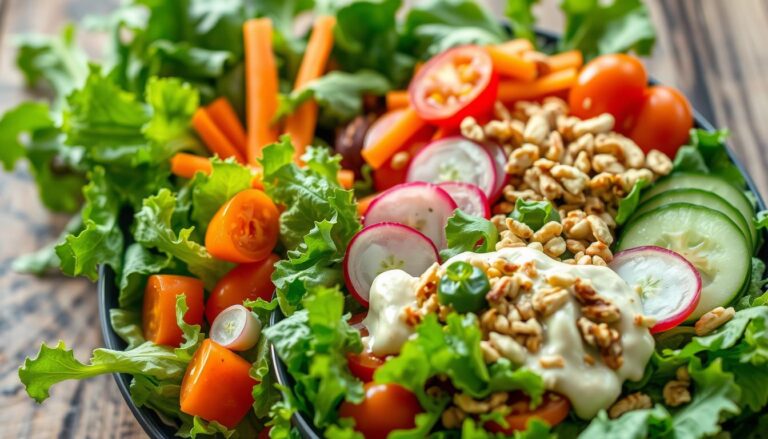
Adding fruits to savory salads can create a refreshing twist. Try mixing greens with grilled chicken, berries, and a citrus vinaigrette for a healthy meal. Some other fruit and salad combinations include:
- Spinach, sliced apples, and walnuts
- Arugula, pear, and gorgonzola cheese
- Kale, orange segments, and almonds
Fruit-Based Salsas and Sauces
Fruits can add a sweet and tangy flavour to salsas and sauces. They make great accompaniments to grilled meats or vegetables. For example, a mango salsa can be a delicious topping for grilled chicken or fish. Some ideas include:
- Pineapple salsa with jalapeño and cilantro
- Peach BBQ sauce for grilled pork
- Apricot chutney to serve with naan or as a dip
Main Dishes with Fruit Components
Fruits can be incorporated into main dishes in various ways. Stuff chicken with dried fruits and nuts or add fresh fruits to skewers for a colorful and healthy kebab. Some other ideas include:
- Grilled pork chops with apple compote
- Chicken tagine with preserved lemons and olives
- Beef stir-fry with sliced oranges and bell peppers
By incorporating fruits into your lunch and dinner, you can add variety, flavor, and nutrients. This makes it easier to manage diabetes while enjoying delicious food.
Healthy Snack Ideas Featuring Fruits
Healthy snacking is key to managing diabetes, and fruits are a great choice. They offer nutrients, fibre, and satisfaction without raising blood sugar too much.
Quick Grab-and-Go Fruit Options
On busy days, quick fruit snacks are a must. Apples, oranges, bananas, and grapes are perfect. They’re easy to grab and full of nutrients. Choosing seasonal fruits saves money and ensures freshness.
Fruit and Protein Pairings
Pairing fruits with protein makes for a filling snack. Try apple slices with almond butter or Greek yogurt with berries. These combos are tasty and balance carbs with protein. The protein helps control blood sugar.
Fruit-Based Snacks for Sweet Cravings
If you love sweets, fruit snacks are a better choice. Dried fruit, fruit leather, or a fruit salad with yogurt can curb cravings.
Adding these healthy snack ideas to your day can help you enjoy fruit while managing diabetes.
Delicious Diabetic-Friendly Desserts with Fruit
For diabetics, desserts can be tricky. But, with the right fruit-based recipes, you can enjoy sweet treats without harming your health. Fruits are naturally sweet, making them perfect for creating tasty, diabetic-friendly desserts.
Baked Fruit Desserts with Minimal Added Sugar
Baking fruits like apples or pears with cinnamon and a little honey is a great idea. Honey adds sweetness but use it sparingly because of its sugar. The goal is to enjoy the fruits’ natural sweetness.
Frozen Fruit Treats
Frozen fruit treats are another excellent choice. Blend your favourite fruits for a slushy dessert. Or, freeze grapes or berries for a cool snack. It’s a simple yet delightful way to enjoy fruit.
Fruit-Based Puddings and Mousses
Fruit-based puddings and mousses are light and tasty. Use pureed fruits, a bit of cream (or a dairy-free option), and stevia for sweetness. This way, you get a healthy, indulgent dessert.
Here’s a comparison of different fruit-based desserts in terms of their glycemic index (GI) and sugar content:
| Dessert | GI | Sugar Content (g) |
|---|---|---|
| Baked Apples | 35 | 15 |
| Frozen Berries | 25 | 6 |
| Fruit Mousse | 30 | 10 |

Adding these diabetic-friendly desserts to your meal plan lets you enjoy sweet treats without worrying about blood sugar levels.
Meal Planning Strategies for Diabetics
Meal planning is key for people with diabetes. It helps keep blood sugar levels stable. By planning meals ahead, diabetics can eat a balanced diet that meets their nutritional needs.
Weekly Meal Prep with Seasonal Fruits
One good strategy is to prep meals for the week. Add seasonal fruits to keep things interesting and varied. Seasonal fruits are fresher and cheaper, making them great for meal planning.
- Choose a variety of fruits for your meals.
- Plan meals around seasonal fruits for freshness.
- Freeze fruits that are out of season for later use.
Balancing Macronutrients Throughout the Day
It’s important to balance macronutrients for stable blood sugar. This means spreading out carbs, proteins, and fats throughout the day.
Tips for Balancing Macronutrients:
- Start with a balanced breakfast that has complex carbs and protein.
- Spread out carbs across meals to avoid blood sugar spikes.
- Add healthy fats and proteins to meals to stay full.
Sample 7-Day Meal Plan with Fruit Inclusions
Wednesday: Smoothie bowl with banana and spinach.
Thursday: Quinoa and vegetable stir-fry with dried fruits.
Friday: Baked salmon with roasted apples.
Saturday: Greek yoghurt with honey and mixed berries.
Sunday: Breakfast burrito with scrambled eggs and orange slices.
By using these meal planning tips, diabetics can enjoy a varied and healthy diet. This helps manage their condition well.
Tips for Shopping and Storing Fruits
Choosing the right fruits is key when managing diabetes. Fruits are packed with nutrients and can add flavour to a diabetic diet.
Selecting the Freshest Fruits
For the best nutrition, pick fresh fruits. Look for vibrant colours and no signs of spoilage. For instance, berries should be plump and mould-free, and citrus fruits should be firm and heavy.
Budget-Friendly Fruit Options
It’s possible to eat a variety of fruits without spending a lot. Buy fruits in season for lower prices. Frozen or canned fruits (without added sugars) are also good, cost-effective choices.
Extending the Shelf Life of Fresh Fruits
Proper storage can make fruits last longer. Keep apples and berries in the fridge. Bananas and citrus fruits do well at room temperature.
Freezing Fruits for Later Use
Freezing is a great way to keep fruits for later. Wash, chop, and freeze fruits like berries, mango, or pineapple. They’re great in smoothies or as a topping for yoghurt or oatmeal.
| Fruit | Storage Tip | Freezing Tip |
|---|---|---|
| Berries | Refrigerate and use within a few days | Spread on a baking sheet and freeze |
| Citrus Fruits | Store at room temperature | Juice before freezing |
| Apples | Refrigerate to prolong freshness | Slice and freeze for future use |
By using these tips, diabetics can enjoy a wide range of fruits while managing their condition well.
What Makes a Fruit “Diabetic-Friendly”?
Not all fruits affect blood sugar the same way. The main factors to consider are:
| Factor | What It Means | Example |
|---|---|---|
| Glycemic Index (GI) | How quickly it raises blood sugar | Low GI = better choice |
| Glycemic Load | Portion size matters | Even high GI fruits can work in small amounts |
| Fiber Content | Fiber slows sugar absorption | Berries, apples, pears are high in fiber |
| Serving Size | How much you eat at once | ½ cup is often a good starting point |
10 Best Fruits for Diabetics (Based on Glycemic Index)
After researching and testing with my aunt, here are the fruits that worked best for her blood sugar:
| Fruit | Glycemic Index | Serving Size | Why It Works |
|---|---|---|---|
| Berries (strawberries, blueberries, raspberries) | Low | ¾ cup | Packed with fiber and antioxidants |
| Cherries | Low | 12 cherries | Anti-inflammatory properties |
| Peaches | Low | 1 medium | Fiber-rich skin helps slow sugar absorption |
| Apricots | Low | 4 whole | Good source of vitamin A |
| Apples | Low | 1 medium | Pectin fiber helps manage blood sugar |
| Pears | Low | 1 medium | High fiber content |
| Kiwi | Low | 1 fruit | Rich in vitamin C and fiber |
| Oranges | Low | 1 medium | Whole fruit better than juice |
| Plums | Low | 2 small | Low glycemic impact |
| Grapefruit | Low | ½ fruit | Can improve insulin sensitivity |
“The day my aunt discovered she could still enjoy fresh cherries was a turning point,” I remember telling my husband. “She actually smiled while checking her blood sugar afterward – and it was perfectly fine.”
Fruits to Eat in Moderation
Some fruits have a higher glycemic index but can still be enjoyed in smaller portions:
| Fruit | Glycemic Index | Recommended Portion |
|---|---|---|
| Bananas (ripe) | Medium | ½ small banana |
| Grapes | Medium | ½ cup |
| Mango | Medium | ½ cup |
| Pineapple | Medium | ½ cup |
| Figs | Medium | 2 small |
| Cantaloupe | Medium | 1 cup |
My aunt’s trick? She freezes grapes and eats them like candy – slowly, one by one. It satisfies her sweet tooth without spiking her blood sugar.
Fruits to Approach with Caution
These fruits are higher in sugar and should be enjoyed occasionally, in very small portions:
| Fruit | Why It’s Tricky |
|---|---|
| Watermelon | High GI, low fiber |
| Dates | Very concentrated sugar |
| Dried fruits | Sugar concentrated during drying |
| Fruit juices | No fiber, rapid sugar absorption |
Smart Ways to Include Fruit in Your Diet
Here are the strategies that worked for my aunt – and will work for you too:
1. Pair Fruit with Protein or Fat
- Apple slices with peanut butter
- Berries with Greek yogurt
- Peach with cottage cheese
“This was a game-changer for me,” my aunt shared. “I used to eat fruit alone and wonder why I got hungry again so fast. Now I always pair it with something.”
2. Choose Whole Fruit Over Juice
Whole fruit contains fiber that slows sugar absorption. Juice is just sugar water.
3. Watch Your Portions
Stick to about ½ cup or one small piece of fruit per serving.
4. Spread Fruit Throughout the Day
Instead of eating several servings at once, spread them out.
5. Test Your Blood Sugar
Everyone responds differently. My aunt checks her blood sugar 2 hours after trying a new fruit to see how it affects her personally.
Sample Day of Fruit for a Diabetic
Here’s what a day of fruit might look like, following my aunt’s successful approach:
| Time | Fruit | Pairing |
|---|---|---|
| Breakfast | ½ cup berries | Mixed into Greek yogurt |
| Lunch | Small apple | With 1 tbsp peanut butter |
| Afternoon snack | ½ cup grapes | Frozen, eaten slowly |
| Dinner | ½ peach | Sliced over cottage cheese |
“I never feel deprived,” my aunt told me recently. “I actually enjoy fruit more now than I did before – because I know how to eat it in a way that works with my body.”
Final Thoughts
The day my aunt called me, worried she’d never enjoy fruit again, feels like a lifetime ago. Today, she sends me photos of her beautiful fruit bowls, her creative pairings, and even her blood sugar readings – all perfectly stable.
“I’m not scared of fruit anymore,” she told me last week. “I’m grateful for it.”
You don’t have to be scared either. With the right knowledge and a few simple strategies, fruit can remain a delicious, healthy part of your diabetes management plan.
Which fruit will you try first? Let me know in the comments below!
Conclusion: Enjoying Fruits While Managing Diabetes
Managing diabetes with fruits is easy and fun when done right. Knowing how fruits fit into a diabetic diet helps. This way, people can get the nutrients they need while keeping their blood sugar stable.
Fruits like berries, citrus fruits, and apples are tasty and full of good stuff. They’re perfect for a diabetic diet because of their fiber and nutrients. Adding these fruits to meals can make them more interesting and healthy.
To enjoy fruits with diabetes, it’s important to balance them correctly. This means controlling how much you eat and knowing the glycemic index. This way, you can enjoy your favourite fruits without harming your blood sugar levels.
With the right information and meal planning, managing diabetes with fruits becomes easy. It lets people enjoy the sweetness and health benefits of fruits every day.

About the Author
This recipe was created and reviewed by Cooking All Recipes, a food-focused platform dedicated to easy, tested, and family-friendly recipes.
Our recipes are inspired by classic American and British cuisine and are carefully written to ensure clarity, taste, and reliability for home cooks.
Each recipe is tested multiple times to ensure consistent results for home bakers.

FAQ
What are some healthy menu ideas for diabetics?
What fruits can diabetics eat?
Are there any fruits that diabetics should avoid?
How can I incorporate fruits into my diet while managing diabetes?
What are some quick meal ideas for diabetics?
How can I meal plan with fruits while managing diabetes?
What are some budget-friendly fruit options for diabetics?
How can I store fruits to extend their shelf life?
How did you find this recipe?
There are no reviews yet. Be the first one to write one.