Low Carb Diabetic Dinner Ideas That Actually Taste Amazing
Low-carb diabetic dinner ideas can be challenging to find, especially when you want meals that are both delicious and healthy. Managing Type 2 diabetes is no easy feat, and I’ve been there — I understand the struggle. That’s why I’m excited to share some of my favourite low-carb diabetic dinner ideas that not only taste amazing but also help manage blood sugar levels.

Table of Contents
These dinners are crafted with simple ingredients, balanced carbs, and high protein to keep you satisfied. The best part is that they are easy to make and packed with flavour. You don’t have to sacrifice taste for a healthy meal. With these healthy meal ideas, you can enjoy stable blood sugar levels and a delicious dinner.
🥗 For more low-carb, diabetes-friendly dinners, explore our 20 Low Glycemic Index Recipes collection.
✨ Free Ebook: 5 Healthy Snack Recipes ✨

💌 Get more recipes by email! Subscribe to our newsletter for weekly diabetes-friendly recipes and tips. Subscribe →
Key Takeaways
- Delicious and healthy low-carb diabetic dinner ideas
- Simple ingredients for easy meal preparation
- Balanced carbs and high protein for satisfaction
- Stable blood sugar levels with the right meals
- Easy meal planning with practical dinner ideas
Why Low Carb Dinners Matter for Diabetes Management
Low-carb dinners play a crucial role in maintaining blood sugar balance for those with diabetes. By focusing on low glycemic ingredients, individuals can significantly reduce the spike in blood glucose that occurs after eating. This approach is fundamental to effective diabetes management.
Managing diabetes effectively requires careful attention to carbohydrate intake, as it directly impacts blood sugar levels. Portion control is also essential to maintain a balanced diet. Understanding the glycemic index of foods and being mindful of the carbohydrate content in meals can significantly aid in diabetes management.
- Reduce the risk of blood sugar spikes
- Improve overall diabetes management
- Enhance dietary balance through portion control
By incorporating lean proteins and healthy fats into low-carb dinners, individuals can better control their blood sugar levels. This balanced approach to dinner not only supports diabetes management but also contributes to overall health and well-being.
Understanding Blood Sugar Balance Through Smart Dinner Choices
Smart dinner choices play a pivotal role in maintaining blood sugar balance, a crucial factor for individuals with diabetes. The right balance of nutrients can help regulate blood sugar levels, ensuring that they remain within a healthy range.
Choosing the right foods for dinner is essential. Foods with a low glycemic index, rich in fibre, and high in protein can significantly impact blood sugar control. These foods help slow down the release of glucose into the bloodstream, preventing spikes in blood sugar levels.
As diabetes management is highly dependent on diet, making informed dinner choices can make a significant difference. Incorporating lean proteins, healthy fats, and fibre-rich vegetables into dinner can lead to better blood sugar control and overall health.
“The food you eat can either be the safest and most powerful form of medicine, or the slowest form of poison.” – Ann Wigmore
By focusing on nutrient-dense dinners, individuals can enjoy satisfying meals while keeping their blood sugar levels in check. This approach not only aids in diabetes management but also promotes overall well-being.
What Makes a Dinner Truly Diabetic-Friendly?
Diabetic-friendly dinners are designed to keep blood sugar levels stable while providing essential nutrients. Crafting such a dinner involves making informed choices about the ingredients used.
Low Glycemic Ingredients That Keep Blood Sugar Stable
Low glycemic ingredients are crucial for maintaining stable blood sugar levels. These include non-starchy vegetables like broccoli, cauliflower, and leafy greens. Such vegetables are not only low in carbs but also rich in fibre and nutrients.
- Broccoli
- Cauliflower
- Leafy greens like spinach and kale
Incorporating these ingredients into your dinner can significantly impact blood sugar management.
The Role of Lean Protein in Diabetic Meals
Lean protein is another vital component of a diabetic-friendly dinner. It helps in regulating blood sugar levels and provides a feeling of fullness, reducing the need for unnecessary snacking.
Examples of lean protein sources include:
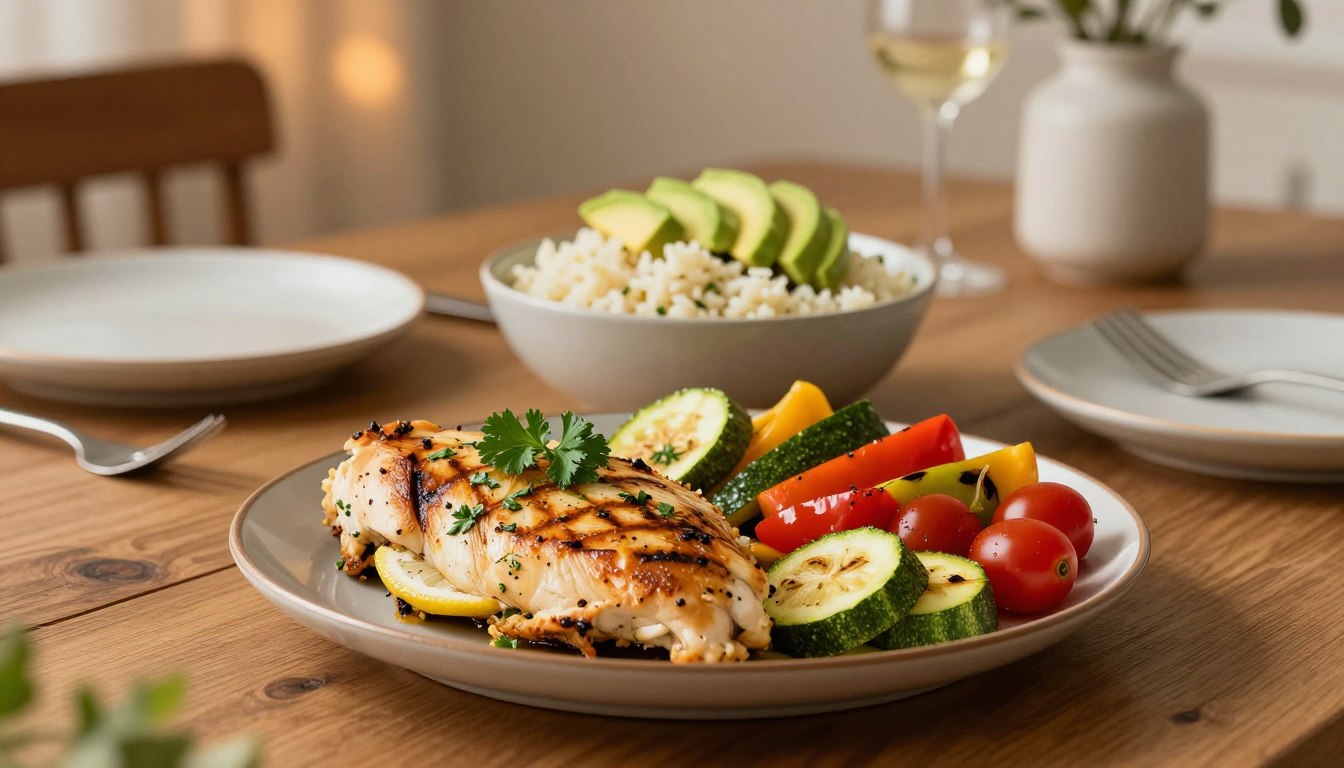
- Chicken breast
- Fish like salmon and tilapia
- Turkey breast
Lean protein not only supports blood sugar control but also contributes to overall health.
Healthy Fats and Fibre-Rich Vegetables for Satiety
Healthy fats and fibre-rich vegetables play a significant role in a diabetic-friendly dinner. They enhance the feeling of fullness and support heart health.
Sources of healthy fats include:
- Avocados
- Nuts and seeds
- Olive oil
Fibre-rich vegetables like broccoli, Brussels sprouts, and carrots are not only filling but also rich in essential nutrients.
By combining low glycemic ingredients, lean protein, and healthy fats, you can create a dinner that is both satisfying and beneficial for diabetes management.
15 Easy Low Carb Diabetic Dinner Ideas That Actually Taste Amazing
I’ve curated 15 mouth-watering low-carb diabetic dinner recipes that are perfect for a healthy meal. These dinner ideas are not only delicious but also designed to help manage blood sugar levels.
1. Garlic Butter Chicken Thighs with Roasted Broccoli
This dish combines the richness of garlic butter with the health benefits of broccoli, a fibre-rich vegetable. The high protein and low-carb content make it an ideal diabetic-friendly meal. Key ingredients include chicken thighs, garlic, butter, and broccoli. Approximate calories per serving: 350.
2. Lemon Herb Baked Salmon with Asparagus
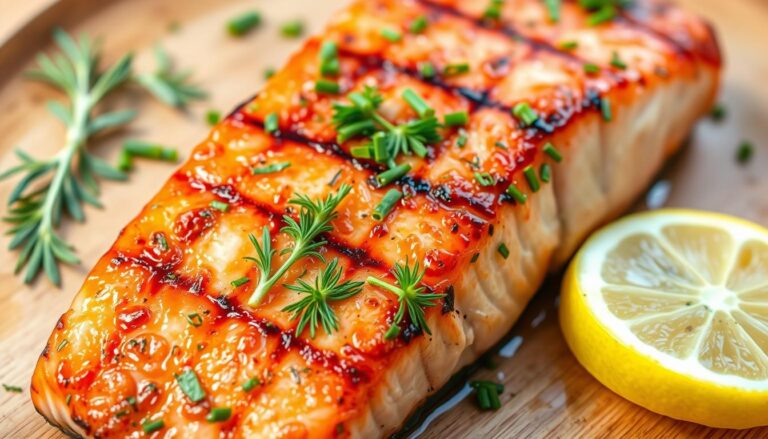
Lemon herb baked salmon paired with asparagus is a flavorful and nutritious option. Salmon provides lean protein and healthy fats, while asparagus is rich in fibre. This meal is approximately 320 calories per serving and supports blood sugar balance.
3. Zucchini Noodle Beef Bolognese
This creative twist on traditional pasta uses zucchini noodles, reducing the carb content significantly. Beef bolognese adds lean protein, making it a satisfying meal. Key ingredients include zucchini, beef, tomato sauce, and herbs. Approximate calories per serving: 400.
4. Sheet Pan Fajita Chicken with Bell Peppers
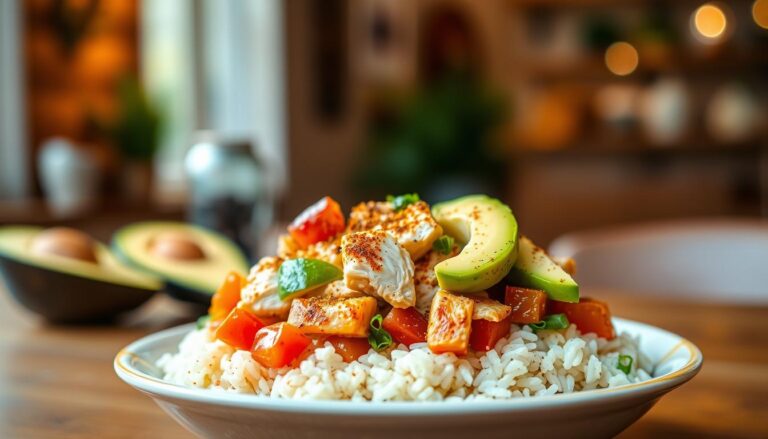
Sheet pan fajita chicken with bell peppers is a vibrant and easy-to-make dish. Chicken breast provides lean protein, while bell peppers add fibre and vitamins. This meal is approximately 280 calories per serving.
5. Cauliflower Fried Rice with Shrimp
Cauliflower fried rice is a low-carb alternative to traditional fried rice, and when paired with shrimp, it becomes a protein-rich meal. Key ingredients include cauliflower, shrimp, and vegetables. Approximate calories per serving: 250.
6. Greek-Style Turkey Meatballs with Tzatziki
These turkey meatballs are flavoured with Greek spices and served with a refreshing tzatziki sauce. Turkey provides lean protein, and tzatziki sauce is made with yoghurt, cucumber, and herbs. Approximate calories per serving: 300.
7. Baked Cod with Mediterranean Vegetables
Baked cod is a lean protein source, and when paired with Mediterranean vegetables, it creates a well-rounded meal. Key ingredients include cod, tomatoes, bell peppers, and olives. Approximate calories per serving: 260.
8. Spinach and Mushroom Stuffed Chicken Breast
This dish is both flavorful and nutritious, with chicken breast providing lean protein and spinach adding iron. Key ingredients include chicken breast, spinach, mushrooms, and cheese. Approximate calories per serving: 340.
9. Beef and Vegetable Stir-Fry with Cauliflower Rice
A beef and vegetable stir-fry with cauliflower rice is a low-carb and protein-rich meal. Beef provides essential amino acids, while vegetables add fibre and vitamins. Approximate calories per serving: 420.
10. Vegetarian Stuffed Bell Peppers with Quinoa
Vegetarian stuffed bell peppers are a colourful and nutritious option. Bell peppers are rich in vitamins, and quinoa provides a complete protein. Key ingredients include bell peppers, quinoa, black beans, and cheese. Approximate calories per serving: 380.
11. Pan-Seared Pork Chops with Green Beans
Pan-seared pork chops are a lean protein source, and when served with green beans, they make a balanced meal. Green beans are low in carbs and rich in fibre. Approximate calories per serving: 320.
12. Blackened Tilapia with Cucumber Tomato Salad
Blackened tilapia is a flavorful and low-carb protein source. Paired with a cucumber tomato salad, it becomes a refreshing and healthy meal. Key ingredients include tilapia, cucumber, tomatoes, and herbs. Approximate calories per serving: 240.
13. Vegetarian Eggplant Parmesan (Low Carb Version)
This low-carb version of eggplant parmesan uses less breading and focuses on the rich flavours of eggplant, tomato sauce, and cheese. Key ingredients include eggplant, tomato sauce, mozzarella cheese, and parmesan cheese. Approximate calories per serving: 360.
14. Grilled Sirloin Steak with Garlic Mushrooms
Grilled sirloin steak is a lean protein source, and when paired with garlic mushrooms, it creates a savoury and satisfying meal. Key ingredients include sirloin steak, mushrooms, garlic, and herbs. Approximate calories per serving: 400.
15. Tofu and Vegetable Buddha Bowl
A tofu and vegetable Buddha bowl is a nutritious and filling meal. Tofu provides plant-based protein, while mixed vegetables add fibre and vitamins. Key ingredients include tofu, mixed vegetables, and a low-carb dressing. Approximate calories per serving: 300.
How to Calculate Carbs and Portions for Diabetic Dinners
Calculating carbs and managing portions are essential skills for creating diabetic-friendly dinners. To start, it’s vital to understand the total carbohydrate content in your meal, as it directly impacts your blood sugar levels.
One effective way to calculate carbs is by using the nutrition label on food packaging. The label provides detailed information about the serving size and the total carbs per serving. For ingredients without labels, such as fresh vegetables, consulting a reliable nutrition resource or database can help determine their carb content.
Tips for Calculating Carbs:
- Read food labels carefully to understand serving sizes and total carb content.
- Use a reliable nutrition database for fresh or unpackaged foods.
- Measure ingredients using a food scale or measuring cups to ensure accuracy.
Managing portions is equally important. Using a food scale or measuring cups can help gauge the right amount of food. Understanding serving sizes and being mindful of the total carbohydrate content per serving can aid in making informed meal choices.
| Food Item | Serving Size | Total Carbs (g) |
|---|---|---|
| Chicken Breast | 3 oz | 0g |
| Brown Rice | 1/2 cup cooked | 22g |
| Broccoli | 1 cup | 5g |
By mastering carb calculation and portion control, individuals with diabetes can enjoy their meals while keeping their blood sugar levels under control. It’s about making informed choices and being consistent with meal planning.
Tips for Making Low-Carb Dinners More Flavorful
I find that using the right herbs and cooking techniques can transform a low-carb dinner into a culinary delight. The key is to focus on enhancing the natural flavours of the ingredients without adding extra carbs.
Using Herbs and Spices to Enhance Taste Without Carbs
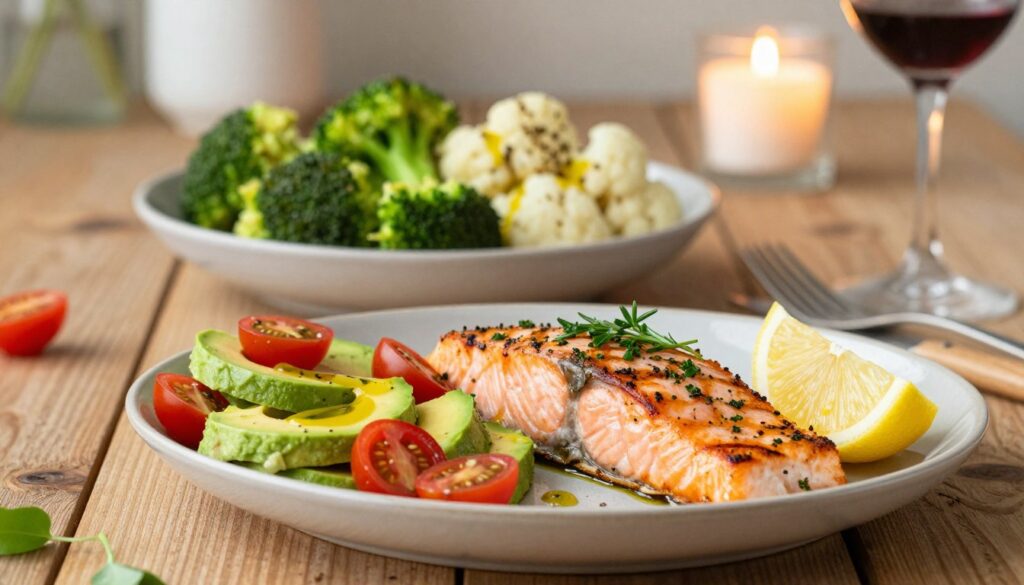
Herbs and spices are a great way to add flavour to low-carb dinners without increasing the carb count. Some of my favourite herbs include basil, oregano, and thyme. These can be used fresh or dried to add depth to various dishes. Spices like cumin, paprika, and chilli powder can also elevate the flavour profile of your meals.
For example, adding a sprinkle of cumin to your grilled chicken or using paprika to season your roasted vegetables can make a significant difference in the overall taste.
Healthy Sauces That Won’t Spike Blood Sugar
Sauces can be a wonderful addition to low-carb dinners, but it’s essential to choose ingredients that won’t spike blood sugar levels. Greek yoghurt is an excellent base for sauces, as it’s high in protein and low in carbs. Mixing it with herbs like dill or parsley can create a refreshing sauce to accompany your meals.
Another option is to make a sauce using avocado as the base. Avocado adds a creamy texture and healthy fats, making it an ideal choice for low-carb dinners. Combining it with lime juice and a bit of garlic can result in a delicious and healthy sauce.
Cooking Techniques That Maximise Flavour Without Adding Carbs
The way you cook your food can significantly impact its flavour. Techniques like grilling, roasting, and stir-frying can enhance the natural flavours of your ingredients without adding extra carbs.
Grilling, for instance, adds a smoky flavour to meats and vegetables, while roasting brings out the natural sweetness in vegetables. Stir-frying quickly cooks ingredients over high heat, preserving their crunch and flavour.
By incorporating these techniques and being mindful of the ingredients you use, you can create low-carb dinners that are not only healthy but also packed with flavour.
Smart Ingredient Swaps for Traditional High-Carb Dinners
You don’t have to give up your favourite dinners when managing diabetes; simple ingredient substitutions can make them low-carb. By being creative with ingredient swaps, you can enjoy your favourite meals while keeping your carbohydrate intake in check.
One of the easiest ways to reduce carbs in traditional dinners is by swapping out high-carb ingredients for low-carb alternatives. For instance, replacing pasta with zucchini noodles or cauliflower rice can significantly reduce the carb content of a meal. Similarly, using lettuce wraps instead of traditional bread for burgers or sandwiches is another effective swap.
Let’s explore some more smart ingredient swaps that can make a difference:
- Replace traditional rice with cauliflower rice or broccoli rice.
- Use zucchini noodles (zoodles) or spaghetti squash instead of pasta.
- Swap high-carb buns for lettuce wraps or portobello mushroom caps.
- Choose low-carb vegetables like spinach, broccoli, and bell peppers.
- Opt for lean proteins such as chicken, fish, and tofu.
By incorporating these low-carb alternatives into your meals, you can enjoy a variety of delicious and healthy dinners that support diabetes management. The key is to be creative and flexible with your ingredient choices, ensuring that your meals remain exciting and satisfying.
Meal Prep Strategies for Easy Weeknight Dinners
Mastering meal prep is a game-changer for busy weeknights, ensuring a healthy low-carb dinner is always within reach. By dedicating a few hours on the weekend to meal preparation, you can save time during the week and ensure that you have healthy, low-carb dinners ready. This strategy not only simplifies dinner time but also helps in maintaining a consistent diet.
Key Meal Prep Strategies:
- Cooking in Bulk: Prepare large batches of proteins like chicken, beef, or tofu, and vegetables. This can be used throughout the week in various meals.
- Portion Control: Divide the cooked meals into individual portions. This makes it easy to grab a meal and go, or to reheat as needed.
- Storage Solutions: Use airtight containers to store meal prep. This keeps food fresh and makes it easy to transport meals.
To make meal prep even more efficient, consider planning your meals around a central ingredient. For example, roasting a large chicken on Sunday can provide the protein for several dinners throughout the week. You can use it in salads, wraps, or as a main dish with roasted vegetables.
Another effective strategy is to prep ingredients rather than full meals. Chop vegetables, marinate meats, and cook grains in advance. This way, you can quickly assemble a meal on a busy weeknight. For instance, having pre-chopped vegetables like bell peppers, onions, and broccoli can cut down the prep time for a stir-fry significantly.
By incorporating these meal prep strategies into your routine, you can enjoy stress-free weeknight dinners that are both healthy and delicious. This approach not only saves time but also helps in sticking to your dietary goals, making it a win-win for busy individuals.
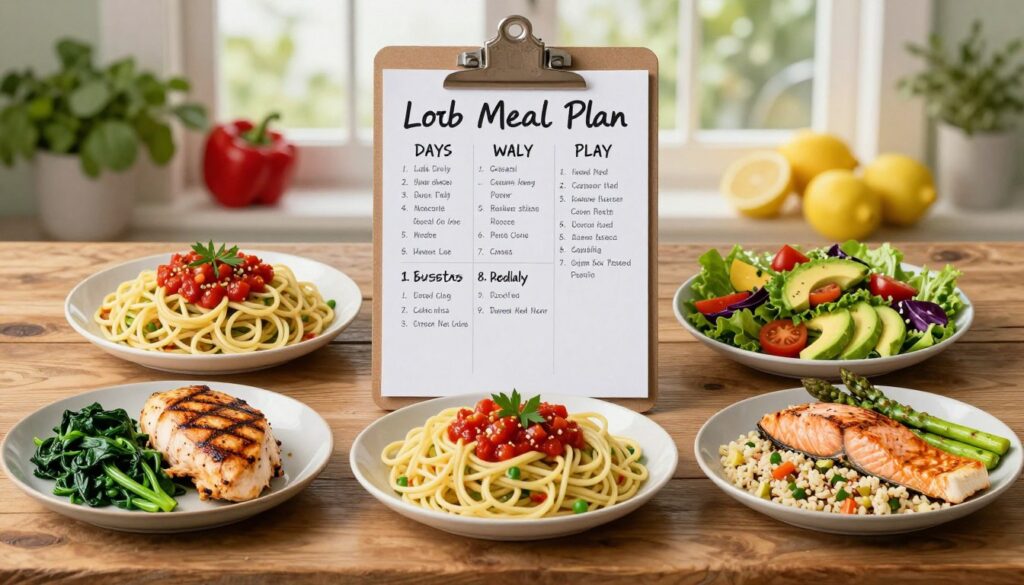
7-Day Low-Carb Diabetic Dinner Meal Plan
A well-structured 7-day low-carb diabetic dinner meal plan can make a significant difference in managing blood sugar levels. By incorporating a variety of low-carb diabetic dinners, individuals can enjoy flavorful meals while maintaining their health goals.
Monday Through Wednesday Dinner Plan
Starting the week with healthy dinner options sets a positive tone. For Monday, consider making Garlic Butter Chicken Thighs with a side of roasted broccoli. This dish is not only delicious but also packed with protein and fiber, making it ideal for diabetes management.
On Tuesday, Zucchini Noodle Beef Bolognese is a great option. It replaces traditional pasta with zucchini noodles, reducing the carb content significantly. Pair it with a green salad for a well-rounded meal.
Wednesday’s dinner could be Baked Cod with Mediterranean Vegetables. This meal is rich in omega-3 fatty acids and fibre-rich vegetables, supporting heart health and blood sugar control.
Thursday Through Sunday Dinner Plan
For Thursday, Sheet Pan Fajita Chicken is a flavorful and easy-to-prepare option. It includes chicken breast, bell peppers, and onions, all of which are low in carbs and rich in nutrients.
On Friday, consider Spinach and Mushroom Stuffed Chicken Breast. This dish is not only low in carbs but also high in protein and fibre, making it very satisfying.
Saturday’s dinner could be Grilled Sirloin Steak with Garlic Mushrooms. Steak is a good source of protein, and when paired with garlic mushrooms, it creates a delicious and healthy meal.
Finally, on Sunday, a Tofu and Vegetable Buddha Bowl is a nutritious and filling option. It’s a great way to include a variety of vegetables and a good source of protein in one meal.
By following this 7-day low-carb diabetic dinner meal plan, individuals can enjoy a range of delicious and healthy meals that support diabetes management. The key is to focus on low-carb ingredients, lean proteins, and fibre-rich vegetables.
Shopping List Essentials for Low-Carb Diabetic Cooking
A well-planned shopping list is the backbone of successful low-carb diabetic cooking. By stocking up on the right ingredients, you can easily prepare delicious and diabetic-friendly meals.
To start, focus on lean proteins like chicken, fish, and beef. These are not only low in carbs but also rich in nutrients. Olive oil and avocado are great sources of healthy fats that can enhance the flavour of your dishes.
Fibre-rich vegetables are another crucial component. Include a variety of vegetables like broccoli, asparagus, and leafy greens in your shopping list. Herbs and spices can add flavour without adding carbs, making them perfect for low-carb diabetic cooking.
Other essentials include low-carb alternatives to traditional grains and healthy sauces. By having these ingredients on hand, you can create a wide range of tasty and healthy meals.
By following this shopping list, you’ll be well on your way to making low-carb diabetic cooking a breeze. Happy cooking!
Common Mistakes to Avoid When Cooking Low-Carb Diabetic Meals
Cooking low-carb diabetic meals can be a challenge, but being aware of common mistakes can make all the difference. When preparing meals for diabetes management, it’s easy to fall into certain traps that can hinder your progress.
One of the most significant mistakes is not being mindful of portion sizes. Overconsumption of even healthy foods can lead to an excessive intake of carbs or calories. To avoid this, use a food scale or measuring cups to measure your portions accurately.
Another common error is relying too heavily on processed foods. While convenient, these foods are often high in unhealthy ingredients such as added sugars, salt, and unhealthy fats. Instead, focus on whole, unprocessed foods like vegetables, lean proteins, and healthy fats.
Not varying one’s diet is another pitfall. Consuming the same foods day in and day out can lead to nutrient deficiencies. To avoid this, include a variety of colourful vegetables, different protein sources, and a range of healthy fats in your meals.
| Common Mistake | Consequence | Solution |
|---|---|---|
| Not measuring portion sizes | Overconsumption of carbs or calories | Use a food scale or measuring cups |
| Relying on processed foods | High intake of unhealthy ingredients | Focus on whole, unprocessed foods |
| Lack of dietary variety | Nutrient deficiencies | Include a variety of vegetables, proteins, and healthy fats |
By being aware of these common mistakes and taking steps to avoid them, individuals can maintain a healthy, balanced diet that supports their diabetes management goals.
Conclusion
Managing diabetes effectively involves making smart dietary choices, particularly for dinner. By incorporating low-carb diabetic dinner ideas into your meal routine, you can better control your blood sugar levels and improve your overall health.
The 15 easy low-carb diabetic dinner ideas provided are designed to be both nutritious and delicious, making it easier to stick to your dietary plan. From garlic butter chicken thighs to vegetarian eggplant parmesan, these meals offer variety and flavour without compromising on health benefits.
✨ Free Ebook: 5 Healthy Snack Recipes ✨
💌 Get more recipes by email! Subscribe to our newsletter for weekly diabetes-friendly recipes and tips. Subscribe →
I encourage you to start experimenting with these low-carb diabetic dinner ideas and experience the positive impact on your health. By doing so, you’ll be taking a significant step towards better diabetes management and a healthier lifestyle.
🍽️ More Diabetes-Friendly Recipes?
📚 For more diabetes-friendly recipes and tips, check out our complete guide:
👉 20 Low Glycemic Index Recipes for Better Blood Sugar Control
✅ Discover delicious meals that help maintain stable blood sugar.

About the Author
This recipe was created and reviewed by Cooking All Recipes, a food-focused platform dedicated to easy, tested, and family-friendly recipes.
Our recipes are inspired by classic American and British cuisine and are carefully written to ensure clarity, taste, and reliability for home cooks.
Each recipe is tested multiple times to ensure consistent results for home bakers.